Living in Uptown Chicago Without a Car: Transit & Housing
April 23, 2026
April 23, 2026
If your goal is to live in Chicago without depending on a car, Uptown deserves a close look. This North Side neighborhood brings together rail access, bus routes, bike connections, lakefront recreation, and daily amenities in a way that can make everyday life feel simpler. If you are weighing where a car-free lifestyle is realistic, this guide will show you how Uptown works, where the strongest transit connections are, and which housing options tend to fit best. Let’s dive in.
Uptown is not just one main street. According to Choose Chicago’s Uptown neighborhood guide, it functions more like a collection of connected districts, including Broadway and Lawrence, Asia on Argyle, Sheridan Park, Buena Park, the lakefront, and East Ravenswood.
That mix matters if you want to live car-free. Instead of relying on long drives between isolated destinations, many of Uptown’s dining spots, entertainment venues, transit stations, and neighborhood services are concentrated along walkable corridors. In practical terms, that means you can often combine commuting, errands, and recreation within the same part of the neighborhood.
Choose Chicago also describes Uptown as a longtime entertainment district with global dining, historic venues, and a housing mix that ranges from single-family homes to apartment buildings. That variety gives you more than one way to make a no-car lifestyle work.
For most residents living without a car, CTA rail is the biggest advantage. The CTA’s Red and Purple Modernization update notes that the rebuilt Lawrence and Argyle stations opened on July 20, 2025, with elevators, escalators, wider platforms, enhanced lighting and security, and real-time travel information displays.
Wilson is another key stop in Uptown. It is accessible and serves as a Red and Purple Line Express transfer point, which can make cross-city travel and commuting more flexible. Sheridan also adds another nearby Red Line option on the south side of the neighborhood.
If you are comparing blocks, this is one of the biggest things to evaluate. The closer you are to stations like Wilson, Lawrence, Argyle, or Sheridan, the easier it usually is to build your routine around transit instead of parking.
Uptown also benefits from proximity to Metra. The Metra Union Pacific North line page includes Ravenswood as a station, and Metra says the rebuilt station was dedicated in 2023 with longer covered platforms, warming shelters, ramps, stairs, landscaping, and ADA compliance.
That gives you another option beyond CTA, especially if your routine includes travel farther north or a regional commute. Even if you do not use Metra every day, having it nearby adds flexibility that many buyers value.
A car-free neighborhood works best when rail is backed by strong bus service, and Uptown checks that box too. Choose Chicago lists neighborhood bus routes including 9, 22, 36, 78, 81, 92, 135, 136, 146, 147, 148, and 151.
Current CTA pages confirm active, accessible service on routes such as #22 Clark, #36 Broadway, #81 Lawrence, #146 Inner Lake Shore/Michigan Express, #147 Outer DuSable Lake Shore Express, and #151 Sheridan.
For day-to-day living, that matters because buses help connect the spaces between train stations, the lakefront, shopping corridors, and nearby neighborhoods. If you want to reduce car use, that network can make a big difference.
One of Uptown’s strongest car-free corridors is Argyle. Choose Chicago describes it as a dense Southeast Asian food strip with options that include sushi, dim sum, banh mi, and pho, along with recurring events such as the Argyle Night Market and Lunar New Year celebration.
From a lifestyle perspective, this kind of corridor is valuable because it supports more than special-occasion dining. It also helps create a neighborhood rhythm where grabbing a meal, meeting friends, or making a quick stop can happen on foot.
Uptown’s entertainment district adds another layer of convenience and energy. Choose Chicago points to destinations including the Green Mill, Riviera Theatre, Aragon Ballroom, Baton Show Lounge, Carol’s Pub, Demera Ethiopian Restaurant, Black Ensemble Theater, and the broader Broadway and Lawrence district.
If you like the idea of walking to live music, restaurants, or evening plans instead of arranging parking or rides, this part of Uptown is a major plus. It is one reason the neighborhood can feel self-contained in a way that supports car-light living.
Choose Chicago also notes that Sheridan Park has many small businesses and that the Andersonville business district extends into Uptown along Clark Street south of Foster. That helps explain why Uptown can support short, foot-based errands as well as dining and nightlife.
When you are evaluating car-free living, this is an important detail. A neighborhood works better without a car when transit is paired with nearby services, not just restaurants or entertainment.
For many Uptown residents, biking is part of the transportation mix. The Chicago Park District’s Lakefront Trail page says the trail runs from Ardmore Avenue to 71st Street and includes a separate 18-mile bike trail and 18.5-mile pedestrian trail.
That gives you a direct, scenic route for commuting, exercise, or weekend recreation without using a car. Choose Chicago also notes access to U.S. Bicycle Route 37 at Wilson Avenue, which strengthens Uptown’s position for people who want more than a walk-and-train routine.
CTA’s Bike & Ride program makes multimodal travel more practical. Buses have front-mounted bike racks, and bikes are allowed on trains outside weekday rush periods.
For shorter neighborhood trips, the Divvy app provides station maps and real-time bike and dock availability. That can be especially useful when walking would take too long, but driving would feel unnecessary.
Car-free living is not only about commuting. Choose Chicago highlights Montrose Beach as an Uptown amenity with an accessible beach walk, dog beach, kayak and volleyball rentals, and the Montrose Point Bird Sanctuary.
That kind of nearby recreation can improve daily quality of life in a meaningful way. Instead of planning a drive for outdoor time, you have lakefront access built into the neighborhood.
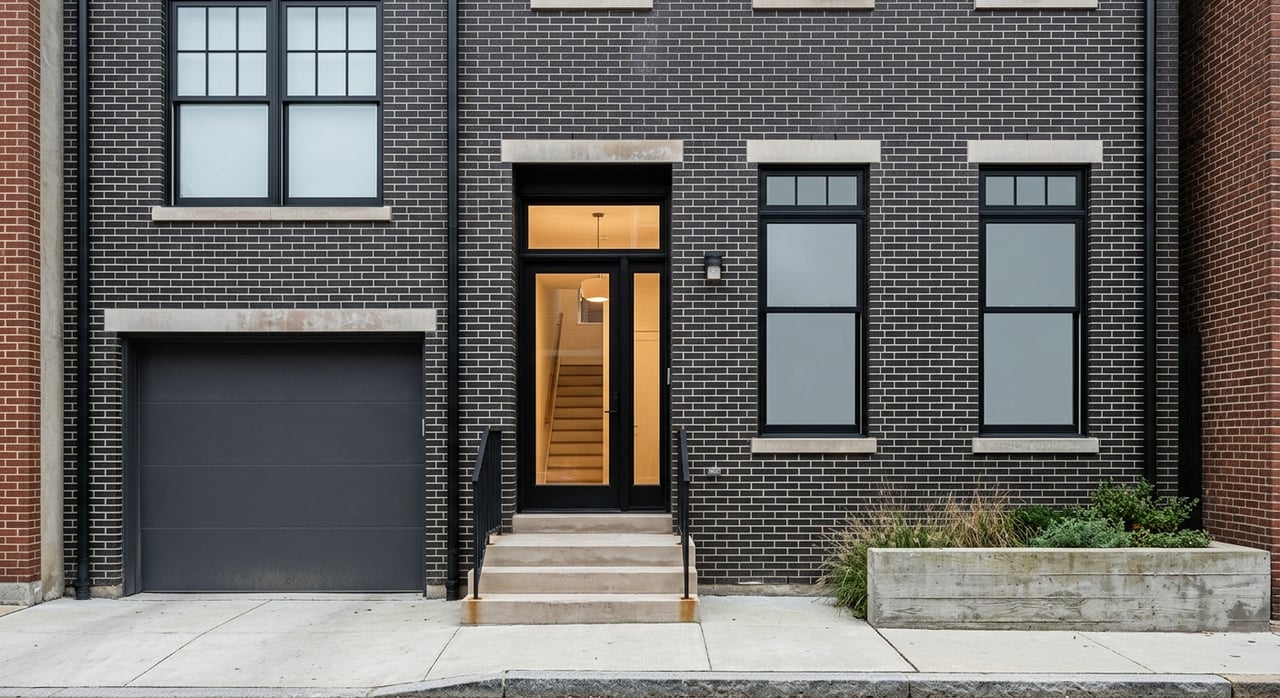
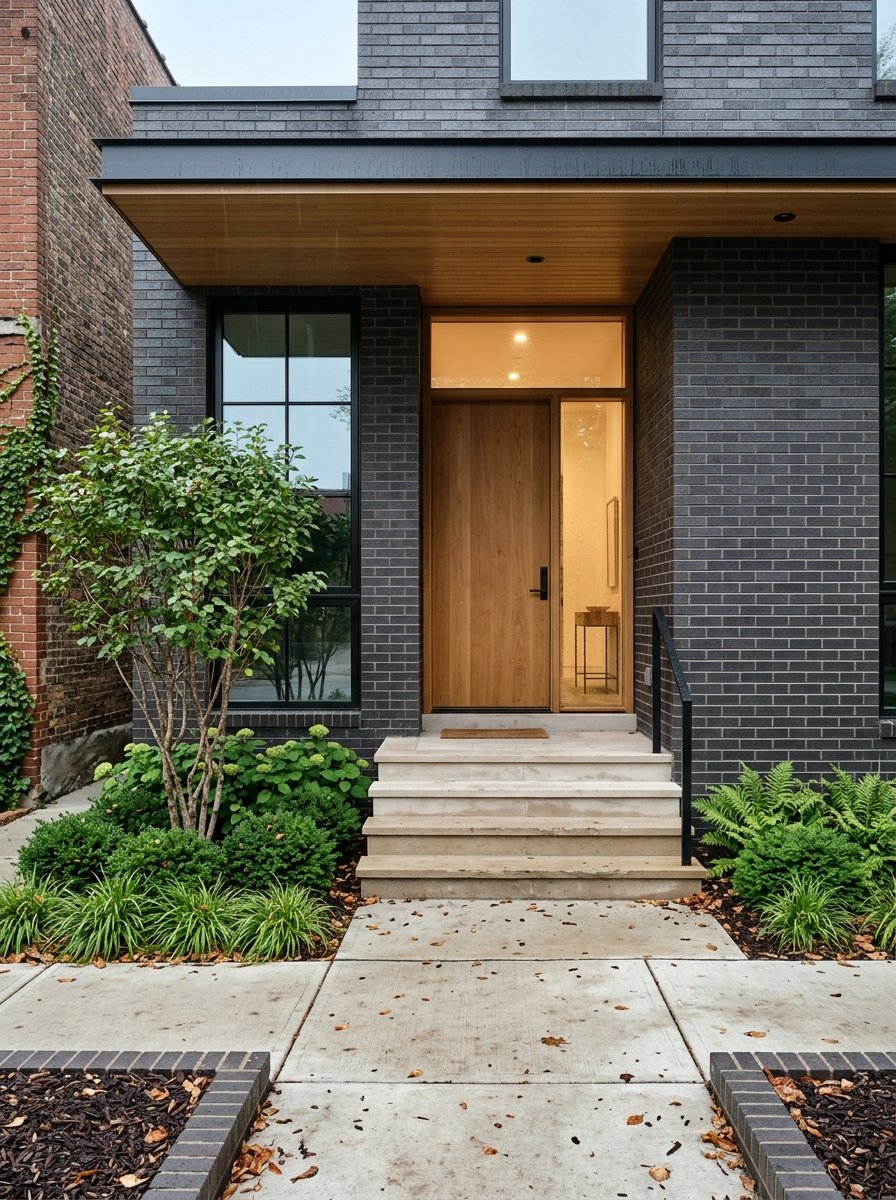
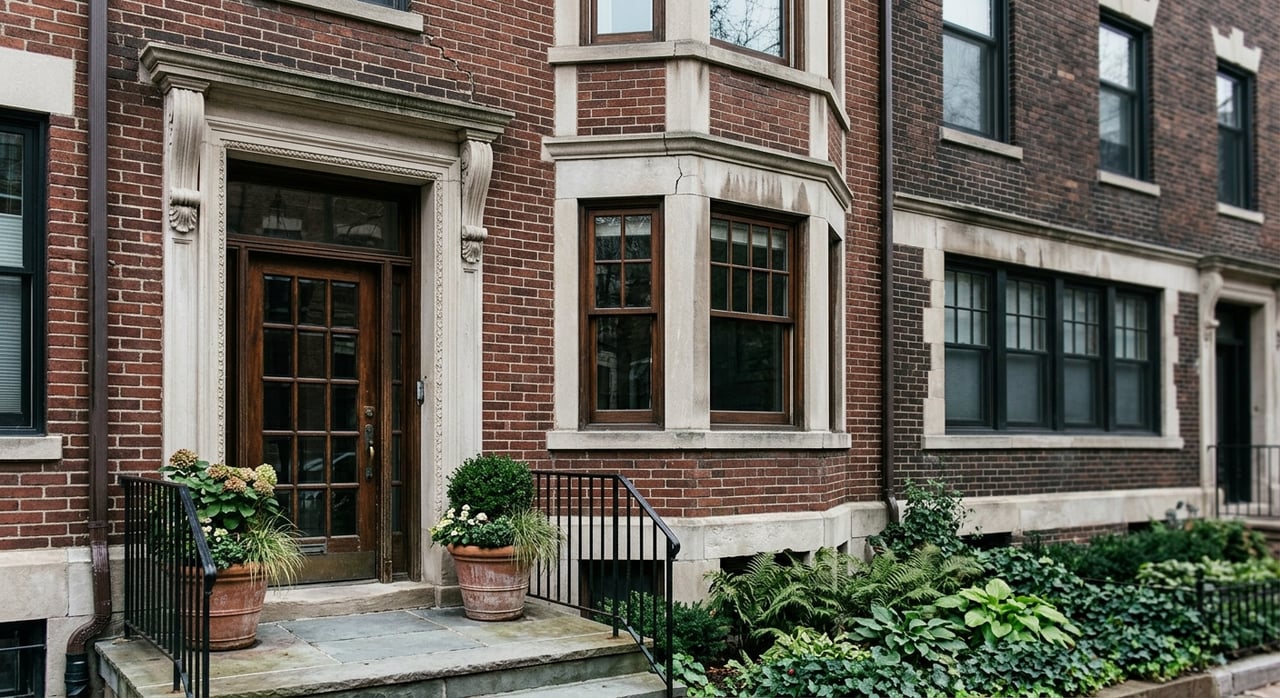
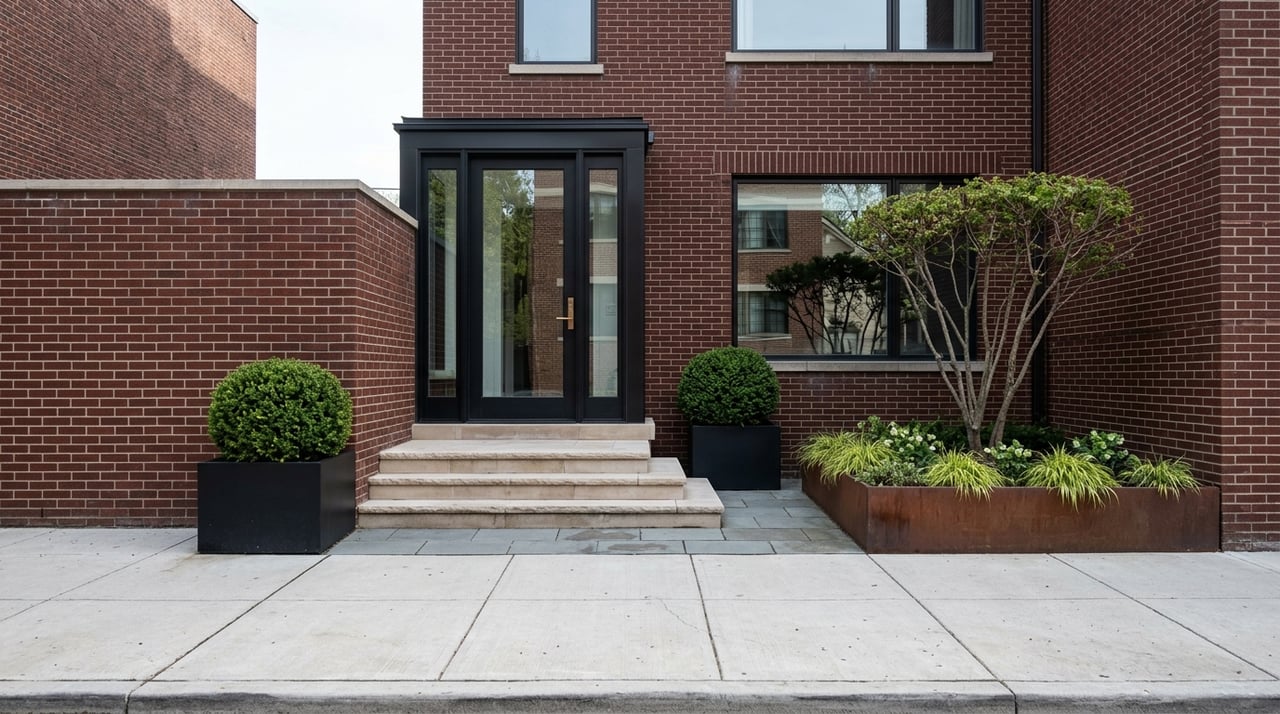
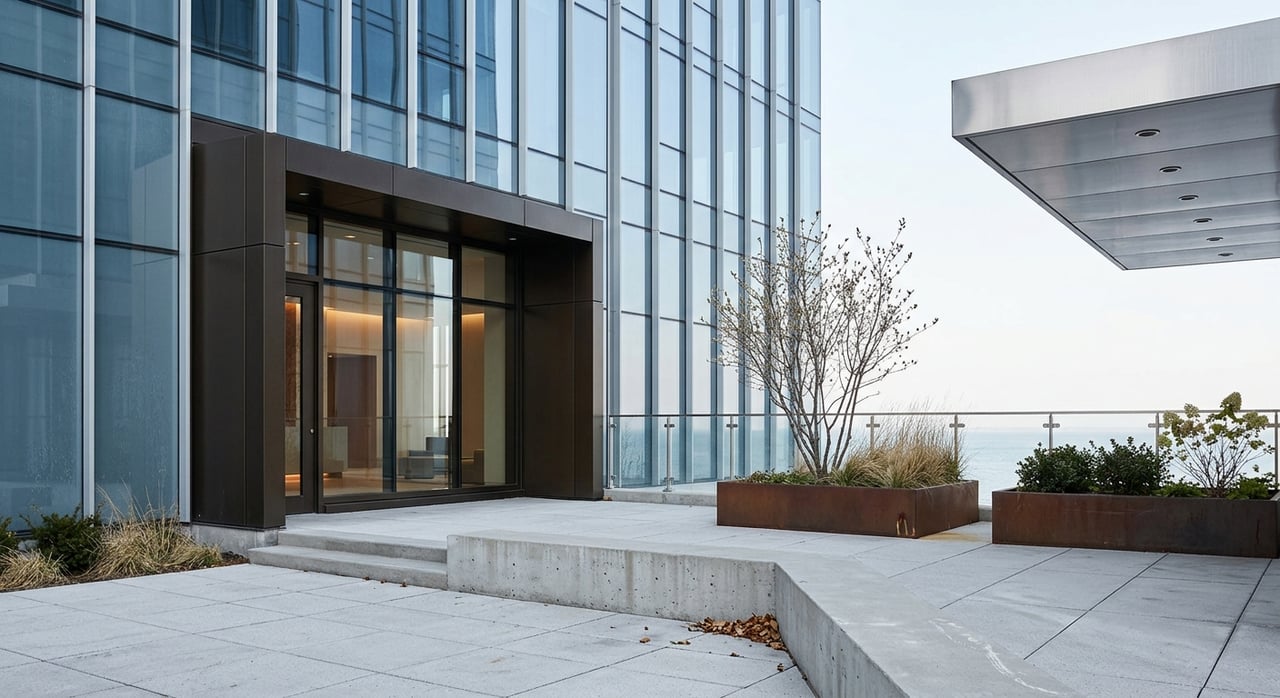
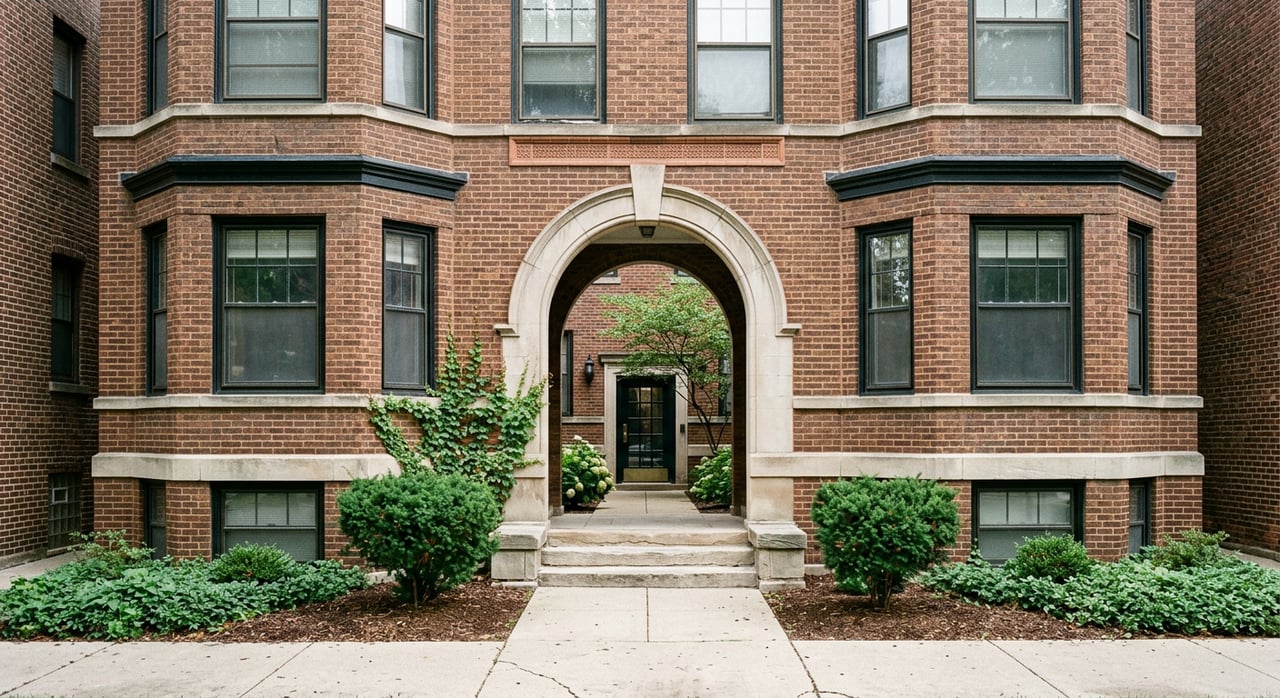
Uptown offers a broad housing mix. The Chicago Architecture Center’s neighborhood overview describes historic residential architecture that ranges from single-family homes to ornate apartment blocks, while Choose Chicago points to historic homes in Buena Park and Sheridan Park and condominium housing on Marine Drive.
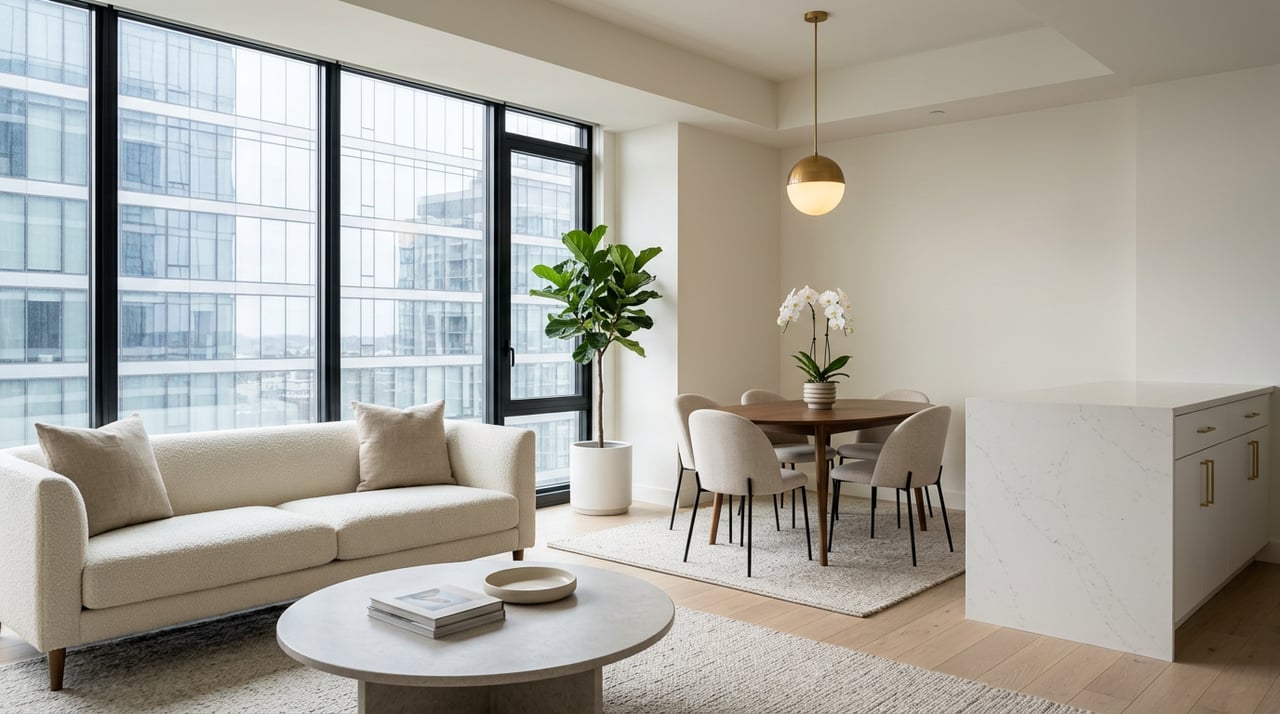
For most buyers or renters who want to live without a car, the most practical options are often condos or apartments near the Red Line, Broadway, Argyle, Lawrence, Wilson, or the lakefront. That is based on how transit and amenities are concentrated in the neighborhood.
Car-free living in Uptown is not limited to larger condo buildings or smaller apartments. Buena Park, for example, is described as a nationally recognized historic district with tree-lined blocks and Prairie-style mansions.
That said, the convenience of living without a car in a single-family home or historic property tends to be more block-specific. The closer you are to rail, bus lines, bike connections, and daily services, the easier your routine is likely to be.
If you are specifically shopping for a no-car or one-car lifestyle in Uptown, it helps to focus on the details that affect your day-to-day routine.
Here are a few practical priorities to keep in mind:
A home can look great on paper and still feel less convenient if the block is disconnected from your daily habits. In Uptown, the right location often matters just as much as the housing type.
Many Chicago neighborhoods offer some mix of transit and walkability, but Uptown stands out because so many pieces overlap. You have CTA rail, bus service, nearby Metra access, the lakefront, entertainment venues, dining corridors, and a wide range of housing types within one neighborhood framework.
According to Choose Chicago’s Uptown page, that combination helps give the area a more self-contained, car-light feel than many other North Side neighborhoods. If your goal is to simplify daily life and rely less on driving, that is a meaningful advantage.
If you are considering a move to Uptown, the key is not just finding a home you like. It is finding the right block, transit access, and amenity pattern for the way you actually live. If you want help narrowing down the best fit in Uptown or nearby North Side neighborhoods, India Whiteside offers thoughtful, neighborhood-rooted guidance tailored to your goals.
Stay up to date on the latest real estate trends.