Evaluating Renovation Potential In Lincoln Park Vintage Homes
May 14, 2026
May 14, 2026
Thinking about buying a vintage home in Lincoln Park because of its charm, but worried about what it may really cost to update? That tension is common in this part of Chicago, where historic character and renovation potential often go hand in hand. If you know what to look at first, which records to review, and where city rules can affect your plans, you can make a much more confident decision. Let’s dive in.
Lincoln Park is not a one-style housing market. It is a vintage-home submarket with a mix of building types and architectural styles that can shape both renovation costs and renovation options.
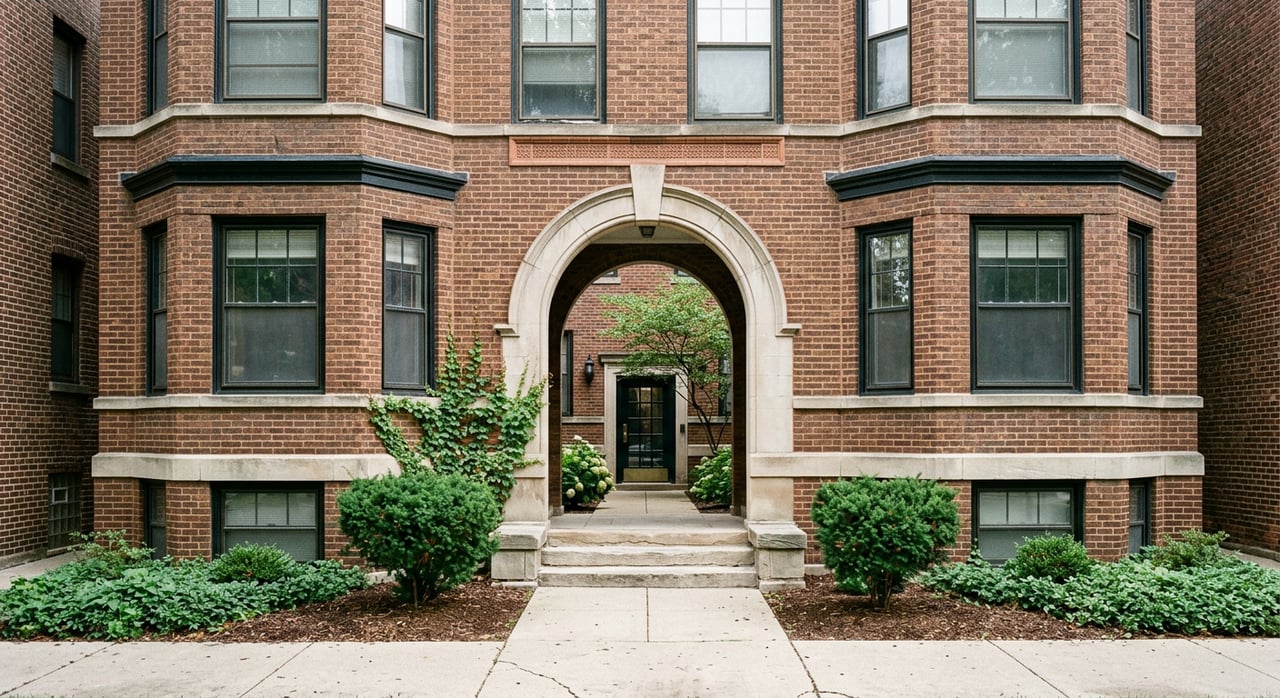
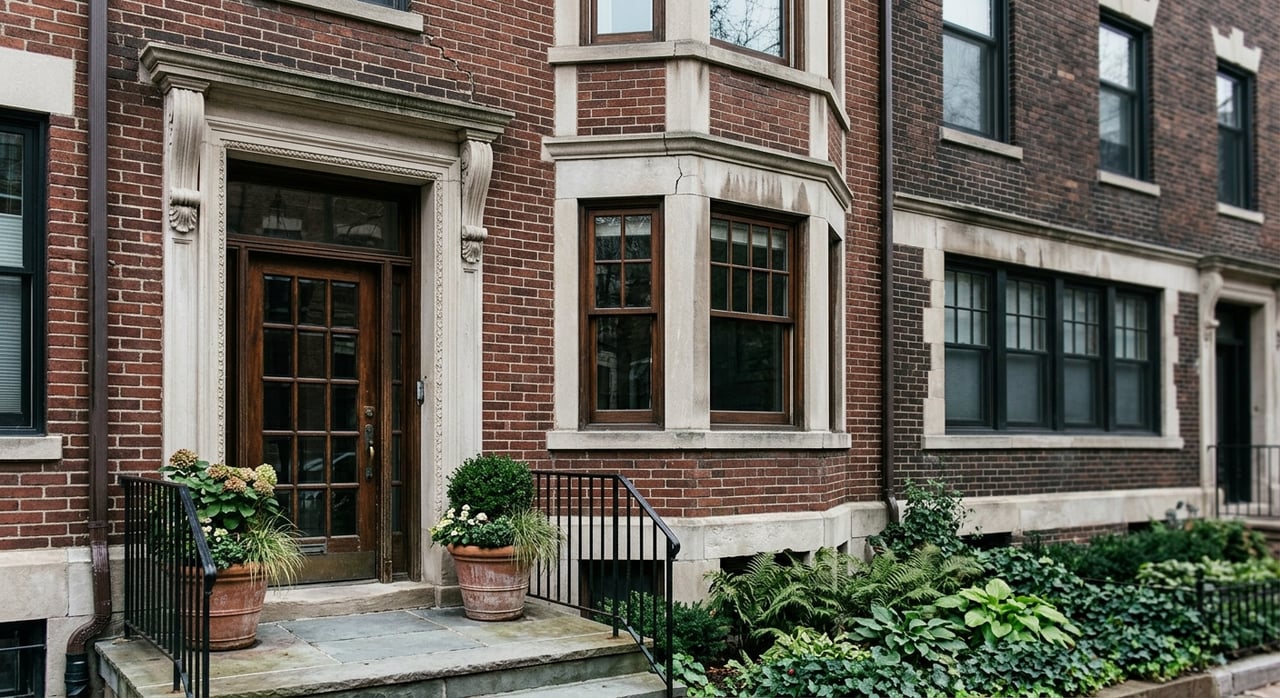
Chicago Landmarks notes that Italianate buildings are especially concentrated in Lincoln Park, and the neighborhood also includes landmark row-house districts such as Burling, Fremont, Bissell Street, and Lincoln Avenue. Across the area, you may also see worker’s cottages, Queen Anne homes, bungalows, and other late-19th- and early-20th-century forms.
That variety matters when you evaluate renovation potential. A brick row house, a detached cottage, and a vintage condo may all be “older Lincoln Park homes,” but they can have very different structural conditions, permit histories, and design constraints.
Before you focus on finishes, start with the property’s history. In Lincoln Park, a little document research can reveal whether a home is a straightforward cosmetic project or a more complex preservation and systems project.
A good first step is to check the Chicago Historic Resources Survey for the address. The survey may show the building’s construction date, architect, style, landmark status, and PIN.
You should also review old permit files when possible. Chicago’s house-history guidance notes that older permit records can reveal the original owner, builder, building dimensions, and later changes made to the property.
For buyers, this can answer important questions early, including:
In many Lincoln Park vintage homes, the biggest costs are not the pretty parts. They often start with the exterior envelope, which protects the structure from water, weather, and ongoing deterioration.
Chicago’s preservation standards point buyers toward exterior features such as masonry, roofs, windows, porches, stairs, cornices, and signs of patchwork repair. These are significant building elements, and deferred maintenance here can lead to larger interior and structural issues.
Masonry deserves close attention. The city notes that masonry is porous, which means age, moisture, and poor past repairs can all affect performance and appearance.
In real permit records across Chicago, common scopes of work include:
If you see cracking, spalling brick, rusting lintels, loose parapet elements, or heavily patched mortar, that is your signal to investigate further. In a market like Lincoln Park, these are not unusual issues, but they do need to be budgeted realistically.
A vintage home can photograph beautifully and still need major systems work. Fresh paint and updated counters do not tell you much about the condition of plumbing, electrical service, HVAC, or older bathrooms and kitchens behind the walls.
Chicago permit patterns show that interior renovations in older buildings are often bundled with plumbing, electrical, and HVAC updates. That suggests many projects require coordinated improvements rather than isolated cosmetic changes.
A practical way to think about renovation scope is in phases:
This phased approach is a useful budgeting framework based on city permit patterns and preservation guidance. It is not a hard rule, but it can help you avoid overspending on finishes before addressing the parts of the home that matter most.
If the property was built before 1978, lead-related renovation rules should be part of your planning. This is especially important if your project will disturb painted surfaces.
EPA lead rules apply to contractors performing paint-disturbing renovation work in most pre-1978 housing. In addition, sellers and landlords of most pre-1978 housing must provide lead disclosure information and the federal pamphlet.
For a buyer, the takeaway is simple: do not treat paint removal or wall opening in an older home as a casual weekend project. Make sure your renovation planning accounts for proper lead-safe practices from the beginning.
In Lincoln Park, renovation potential is not just about single-family homes and row houses. Many buyers are also considering vintage condos, where the unit may be appealing but the building rules can shape what is actually possible.
In a condo, the declaration and bylaws matter as much as the kitchen or bath finishes. Illinois law provides that a common-interest community’s administration is governed by those governing documents, so renovation review should include association rules, approval processes, and any limits on work that affects shared systems or common areas.
That means your evaluation should include questions like:
A vintage condo can still be a strong opportunity, but it needs a building-level review, not just a unit-level one.
One of the biggest mistakes buyers make is assuming neighborhood-wide rules apply evenly across Lincoln Park. In Chicago, zoning is parcel-specific.
The city’s zoning map guidance says you should search by address or PIN because zoning details are too specific to summarize accurately at the neighborhood level. If you are considering an addition, garage change, setback change, or height modification, this matters a great deal.
When a proposed project does not fit the base zoning district, the Zoning Board of Appeals may become part of the process. The board evaluates issues such as practical difficulty, reasonable return, unique circumstances, and neighborhood character.
In plain terms, if your renovation vision depends on adding bulk, changing rooflines, or reworking exterior form, feasibility needs to be checked early. A home with “potential” only has value if the city will realistically allow the work.
Lincoln Park has a strong concentration of historic housing, so landmark review can be a major factor. If a property is individually designated or located in a landmark district, certain permit applications may be reviewed by Chicago Landmarks.
For landmark districts, review typically focuses on exterior elevations visible from the public way. Chicago’s rehab standards prefer maintaining original materials, repairing rather than replacing, and replacing in kind when replacement is necessary.
The same guidance cautions against changes such as:
This does not mean renovation is off the table. It means the best renovation strategy often works with the home’s visible character instead of trying to erase it.
Permit strategy can affect both timeline and budget. Chicago’s permit portal is the starting point for many permit applications, and the city uses different tracks depending on the scope of work.
City permit descriptions show that Easy Permit is used for minor repairs that do not require plans. More substantial rehabilitations of existing buildings generally fall under New Construction and Renovation, while electrical wiring and porch work may follow their own permit categories.
For buyers, this matters because permit complexity often signals project complexity. If a seller describes work as minor but the condition suggests extensive structural, systems, or exterior changes, that gap is worth a closer look.
Lincoln Park is still a premium market. Reported market snapshots show a median sale price of $710,667 and a median listing price around $795,000, with a median 63 days on market.
In that kind of market, renovation choices should support both daily livability and long-term resale. A well-executed project that updates how the home functions while keeping visible masonry, porch details, and window proportions intact is often easier to justify than a renovation that removes the character buyers expect in the neighborhood.
That does not mean every original element must stay untouched. It means your budget should reflect the value of preserving the features that help define Lincoln Park vintage homes in the first place.
When you tour or inspect a vintage Lincoln Park property, a few focused questions can quickly clarify renovation potential.
Ask about these points first:
These questions help you move from emotional reaction to practical analysis. That is often the difference between a smart vintage-home purchase and a renovation surprise.
The best Lincoln Park renovation opportunities are not always the homes with the flashiest finishes or the lowest list prices. Often, they are the properties where the exterior condition, permit history, systems needs, and city-review path are clear enough for you to make a confident plan.
That is where local, renovation-aware guidance matters. If you are weighing charm, cost, and long-term value in Lincoln Park, working with someone who understands North Side housing stock, vintage condos, and project planning can help you sort real potential from expensive guesswork.
If you are considering a vintage home in Lincoln Park and want practical guidance on condition, resale considerations, and renovation fit, schedule a neighborhood consultation with India Whiteside.
Stay up to date on the latest real estate trends.