Selling a Gold Coast Condo for a Premium Result
March 5, 2026
March 5, 2026
Selling a Gold Coast condo at a premium does not happen by accident. You win on preparation, timing, and details that speak to buyers who want lake views, walkability, and a turnkey experience. If you are aiming for top results, you need a clear plan that covers legal docs, building rules, staging, photography, and the right listing window. This guide gives you a step-by-step path tailored to Gold Coast high-rises and historic buildings so you can launch with confidence. Let’s dive in.
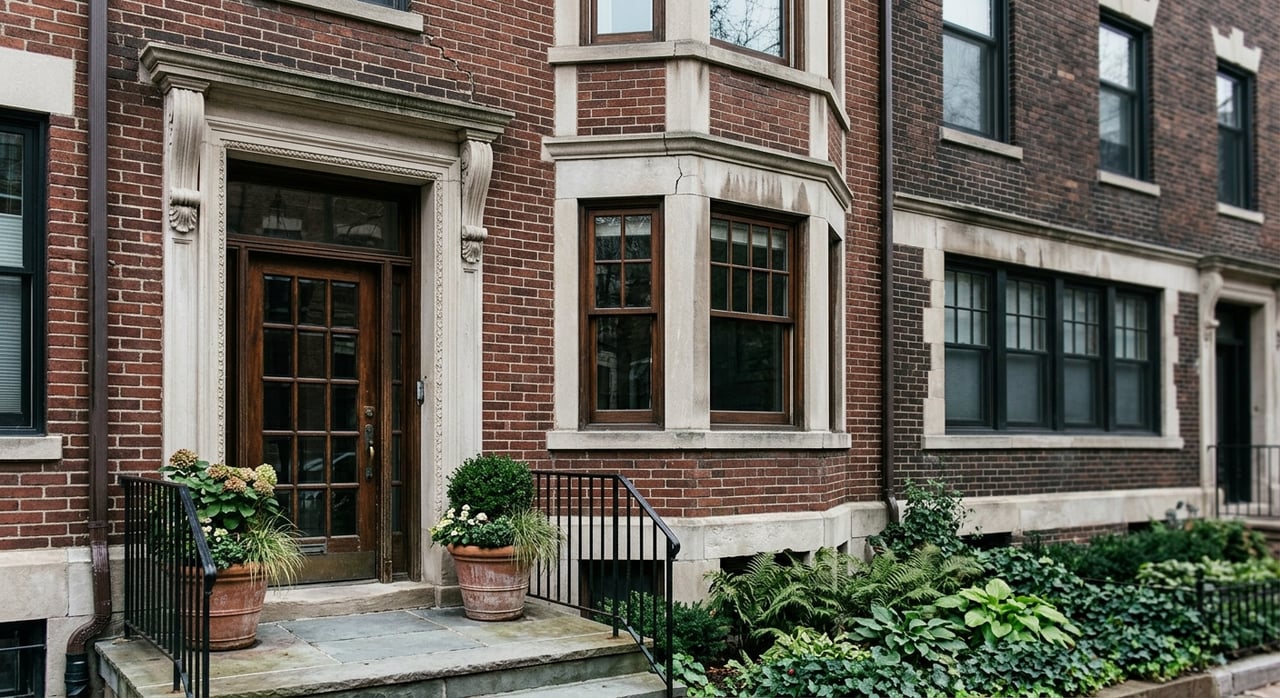
The Gold Coast blends historic elegance with high-rise convenience along Oak Street and the lakefront. Buyers prize access to the Lakefront Trail, Oak Street retail, and building amenities that support an urban luxury lifestyle. You can ground your listing story in this location advantage and highlight views and proximity to the water during showings and in your photography. For context on the neighborhood footprint and history, review the Gold Coast Historic District overview.
Neighborhood metrics can vary by source and by whether you look at asking prices or closed sales. Listing prices often outpace recent median sold prices because listings include larger or newly renovated units and represent seller expectations. As you prep, have your agent pull current sold comps and active competition so you price to the market you will face on day one. The goal is to position your home as the best value at its tier, not just the next listing.
Start with the basics: declutter, deep clean, and depersonalize. National staging surveys report that a clean, neutral home attracts more buyers and shortens days on market, with many agents also reporting modest price lifts when staging is done well. You can review a summary of National Association of REALTORS findings on staging impacts in this industry overview. A calm, polished look helps buyers focus on your light, views, and layout.
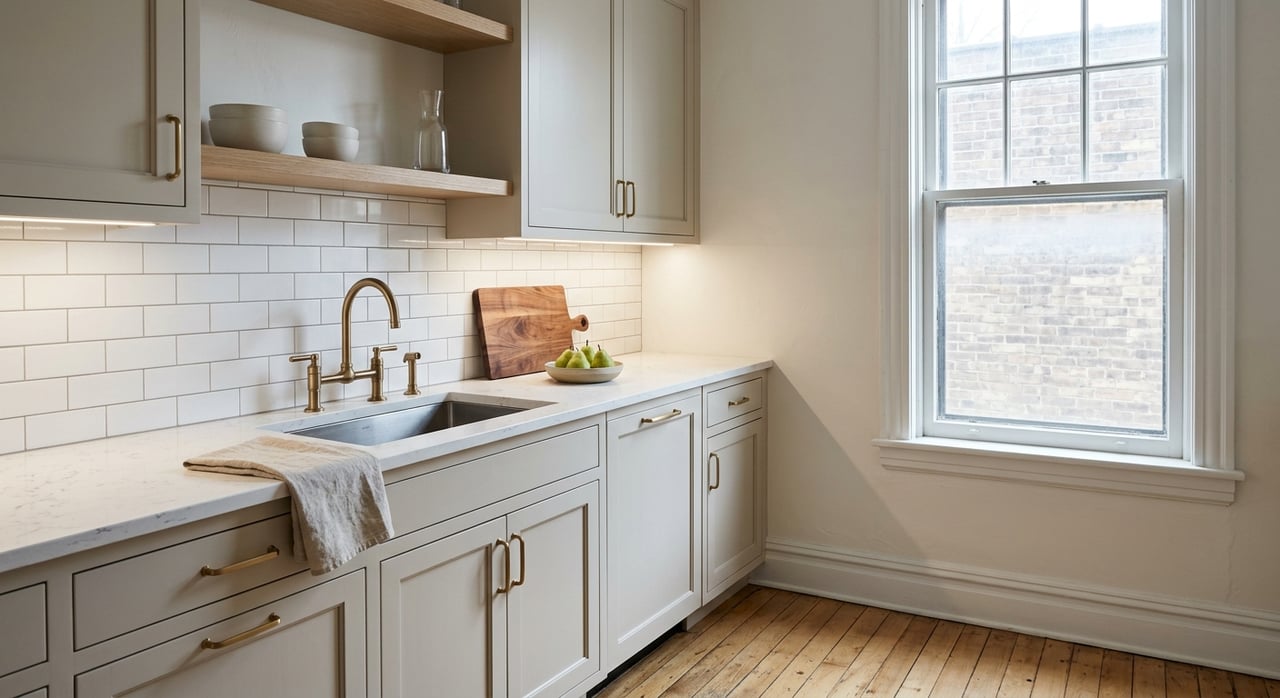
You do not need a gut renovation to win. Research on resale value shows targeted, mid-range updates often return a higher percentage of cost than major overhauls. For urban condos, focus on fresh neutral paint, updated lighting, new hardware, a modest kitchen refresh such as cabinet refacing or counters, a bath facelift with new fixtures, and floor polishing or refinishing where needed. Use the latest Cost vs. Value data to guide spend, then direct budget toward the items buyers notice most in photos and first impressions.
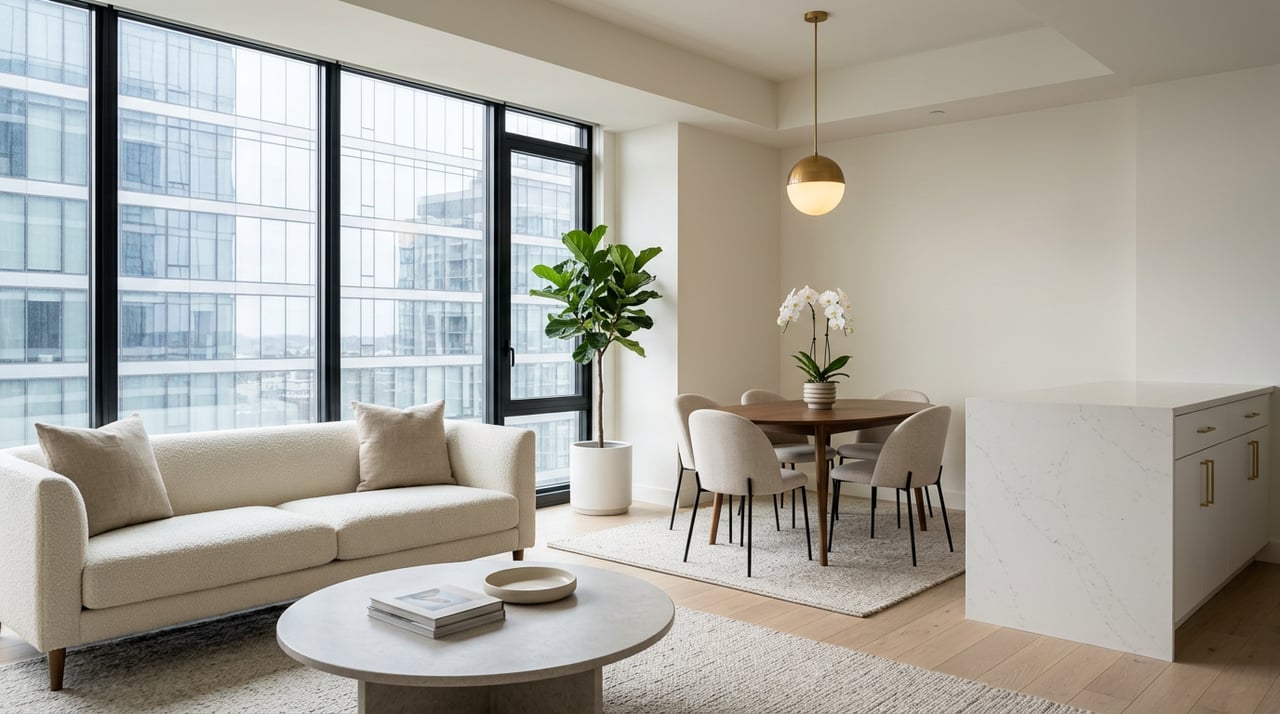
A furnished, well-edited space photographs larger and feels move-in ready. Many agents report faster sales and small price premiums when staging is used strategically. If the unit is vacant, consider physical staging in key rooms and high-quality virtual staging for secondary spaces. Keep a consistent, contemporary look that matches Gold Coast buyer expectations and complements the building’s style.
Photography is your first showing. Use a professional who can deliver wide-angle composition at chest height, careful HDR blending to preserve views through windows, and a twilight exterior or hero shot when feasible. Provide a measured floor plan and a virtual tour so remote buyers can understand flow and scale. For a deeper checklist of best practices, review this professional real estate photography guide. Before the shoot, clean the windows, open shades fully, and stage balconies or terraces to highlight the skyline and lake.
If you plan drone footage of the building, lakefront, or terrace, confirm your operator holds the FAA Remote Pilot Certificate and has any required airspace or site permissions. Drone use for listings is a commercial activity that must follow federal rules. You can verify the basics in the FAA Part 107 guidance. Your photographer should also check any building or park restrictions before scheduling.
Full-service high-rises often require freight elevator reservations for moves and deliveries, nonrefundable move fees or deposits, and certificates of insurance from vendors. These rules apply to stagers, furniture deliveries, and large photography equipment. Review a representative set of building rules like those at Park Tower to understand common policies around moves, insurance, and scheduling requirements. You can preview typical expectations here: sample rules and regulations. Book logistics 2 to 4 weeks in advance so you are not delaying your listing date.
On busy streets, you may need temporary no-parking signs or a permit to ensure loading access on staging and photo days. In Chicago, plan ahead so vendors can park and deliver on time, especially during weekday windows. This practical overview of reserving legal parking for moves in Chicago is a helpful reference when coordinating your team.
Illinois condominium resales require the seller to provide an association disclosure package commonly called a 22.1. The Illinois Condominium Property Act explains that the package typically includes the declaration, bylaws, rules, budget, reserve information, and statements about anticipated capital expenditures. Review the statute text and ask management about fees and timelines for producing documents. Many Chicago management firms also provide paid assessment letters and a standard packet for buyers; see a practical overview of the process in this management FAQ.
Use this quick 22.1 checklist with your agent:
Having a clean, complete packet builds buyer confidence and speeds attorney review.
Many buyers rely on conventional financing that follows Fannie Mae or Freddie Mac condo project standards. If a building has low reserves, high delinquency, too much commercial space, heavy investor concentration, or pending litigation, it might be considered non-warrantable, which can shrink the buyer pool. Lenders use tools like Fannie Mae’s project review to determine eligibility. Learn what lenders evaluate in this conventional lending guide and this overview of condo project reviews. Ask your agent to confirm warrantability with a trusted lender before you go live so you can market financing options clearly.
Many Gold Coast buildings prefer brokered appointments to open houses. Coordinate with the front desk on showing windows, visitor sign-in, and elevator use so buyer tours run smoothly. Vendors may need certificates of insurance, and larger item deliveries will likely require a freight reservation. Review representative rules to anticipate common requirements.
If you use virtual staging, label photos clearly and pair at least one accurate, empty-room shot with each virtually staged room. This manages expectations and prevents buyer disappointment at showings. See virtual staging best practices in the photography guide.
A transparent, well-documented association increases buyer confidence. Highlight healthy reserves, low delinquency, and a thoughtful capital plan when true. By contrast, if there are special assessments or major planned projects, surface them early and price accordingly. The required 22.1 package helps buyers evaluate these items; review the Illinois Act and your management office’s document process to avoid delays.
Consider a light pre-list inspection or punch-list walkthrough. Fixing obvious issues before market reduces repair-related negotiation later and can help preserve your contract price. Use Cost vs. Value to prioritize items that buyers notice most in photos and at first showing.
In Chicago’s lakefront neighborhoods, spring and early summer marketing shows outdoor amenities and views at their best. Gold Coast listings benefit from bright, leafy streets, active lakefront scenes, and longer daylight that elevates photography. Plan your timeline so your photos and showings capture the neighborhood energy and skyline vistas during this season. To understand what draws buyers to the area, review this perspective on Gold Coast lifestyle and walkability.
Ready to put this plan into action with hands-on coordination, staging guidance, and a calm, proven process? Let’s talk about your goals and timeline. Schedule a neighborhood consultation with India Whiteside to prepare your Gold Coast condo for a premium sale.
Stay up to date on the latest real estate trends.