Lake View Condos: Vintage Charm Or New Construction
June 18, 2026
June 18, 2026
Trying to choose between a vintage condo and new construction in Lake View? You are not alone. Many buyers love the character of older Chicago buildings but also want the comfort and predictability that often come with newer homes. This guide will help you compare both options in a practical way, so you can decide what fits your budget, lifestyle, and long-term plans. Let’s dive in.
Lake View has a broad mix of condo buildings, and that variety is part of what makes the neighborhood so appealing. Chicago landmark district descriptions in the area highlight late-19th- and early-20th-century houses, brick-and-stone three-flats, small apartment buildings, courtyard buildings, and taller apartment buildings from the 1890s through the 1930s.
That history matters when you shop for a condo. In Lake View, “vintage” usually refers to a specific type of building and layout, not just an older construction date. As a result, two condos with the same number of bedrooms can feel very different in flow, light, storage, and upkeep.
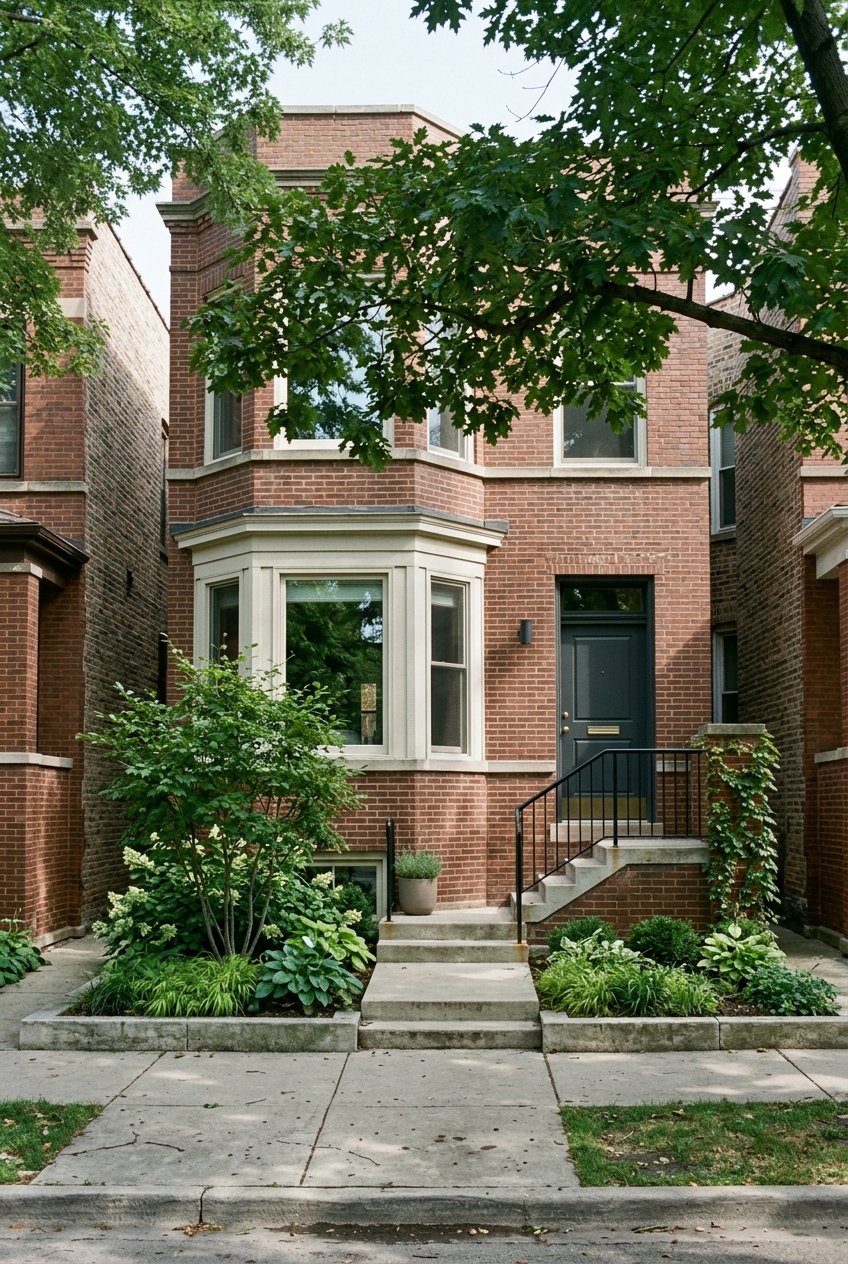
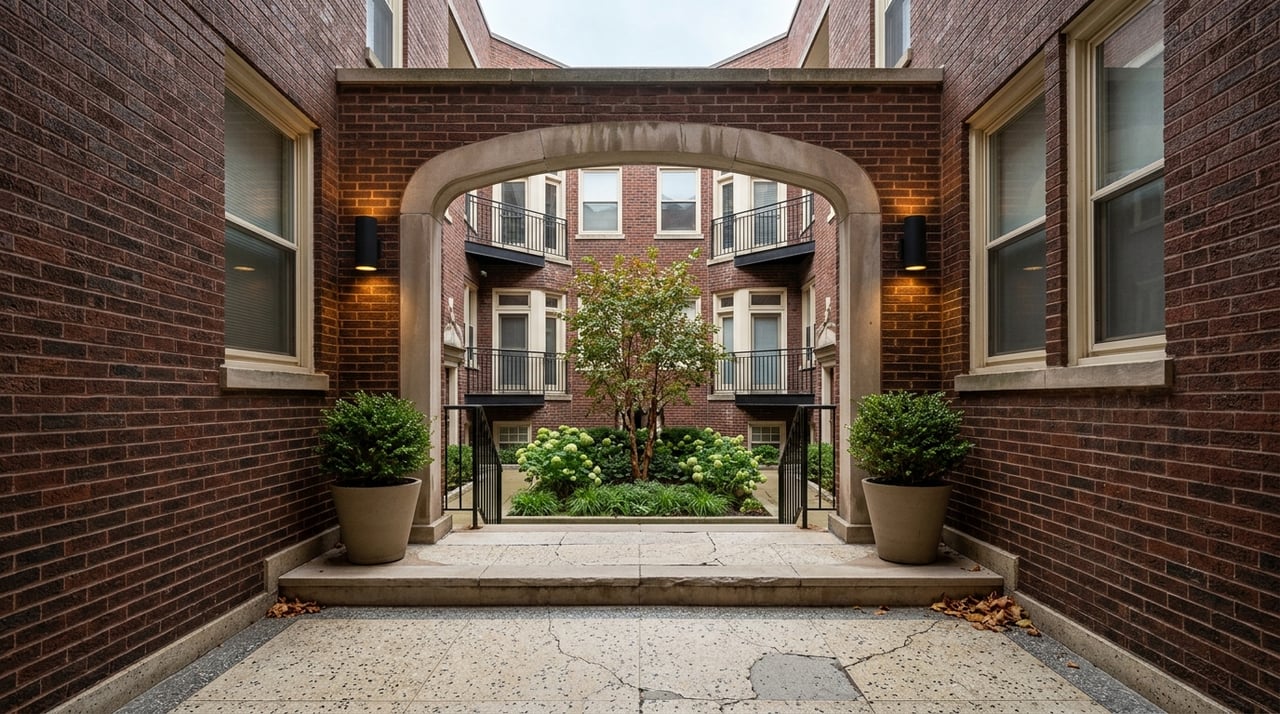
Older Chicago multifamily housing often took the form of two-, three-, and four-story brick walk-ups, and the courtyard apartment style was introduced in 1893. In Lake View, that means many vintage condos sit in building types that were designed long before today’s open-concept preferences became common.
For you as a buyer, that can show up in everyday ways. A vintage condo may have more defined rooms, a different traffic pattern, and a stronger sense of separation between spaces. Some buyers love that. Others prefer the more uniform, open layouts often found in newer construction.
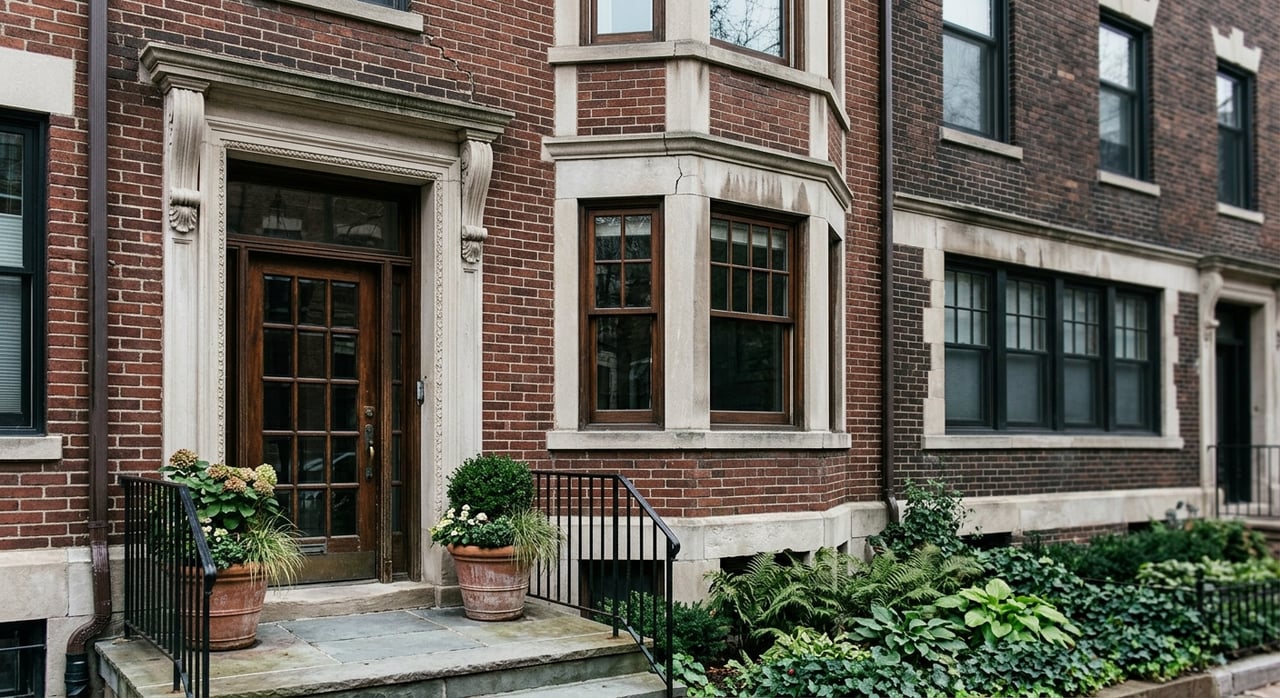
Vintage condos often stand out for their architectural detail and individuality. Lake View landmark districts include buildings with Queen Anne, Richardsonian Romanesque, and Classical Revival influences, along with wood, stone, brick, and decorative metal features.
That character can be hard to replicate. You may find details that make a home feel distinct from the moment you walk in. For buyers who value charm, texture, and a sense of place, vintage condos can be especially compelling.
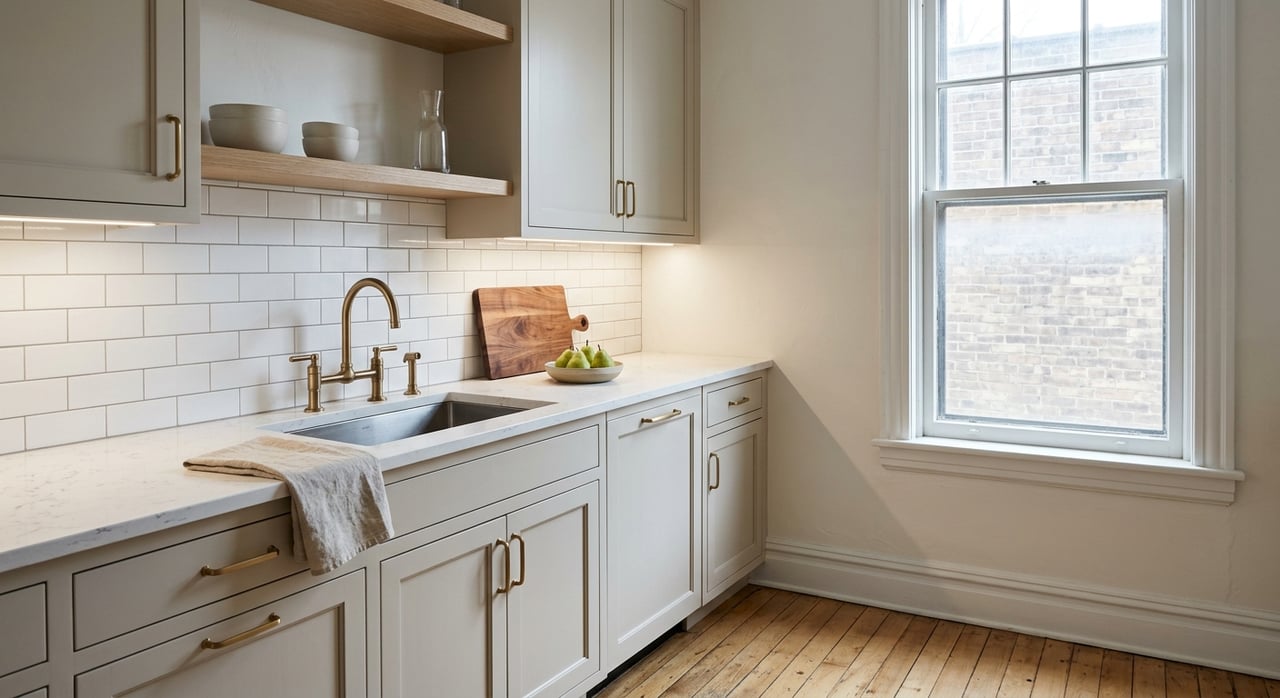
Another plus is that finishes depend more on renovation history than age alone. An older unit that has been thoughtfully updated can feel polished and current, while still keeping some of the features that give it personality.
Character is only part of the story. Older buildings can be more sensitive to deferred maintenance, which is why the condo association matters just as much as the unit itself.
Illinois law requires condo budgets to provide reasonable reserves for capital expenditures and deferred maintenance. Those reserves must account for structural and mechanical components, building surfaces, and energy systems and equipment. In practical terms, that means you should look carefully at how the building is planning for repairs and replacements over time.
This is especially important in Lake View’s older buildings. The monthly assessment may look manageable at first, but the bigger question is whether the association has planned well for future work. Roofs, masonry, common-area systems, and other building components can shape your true cost of ownership.
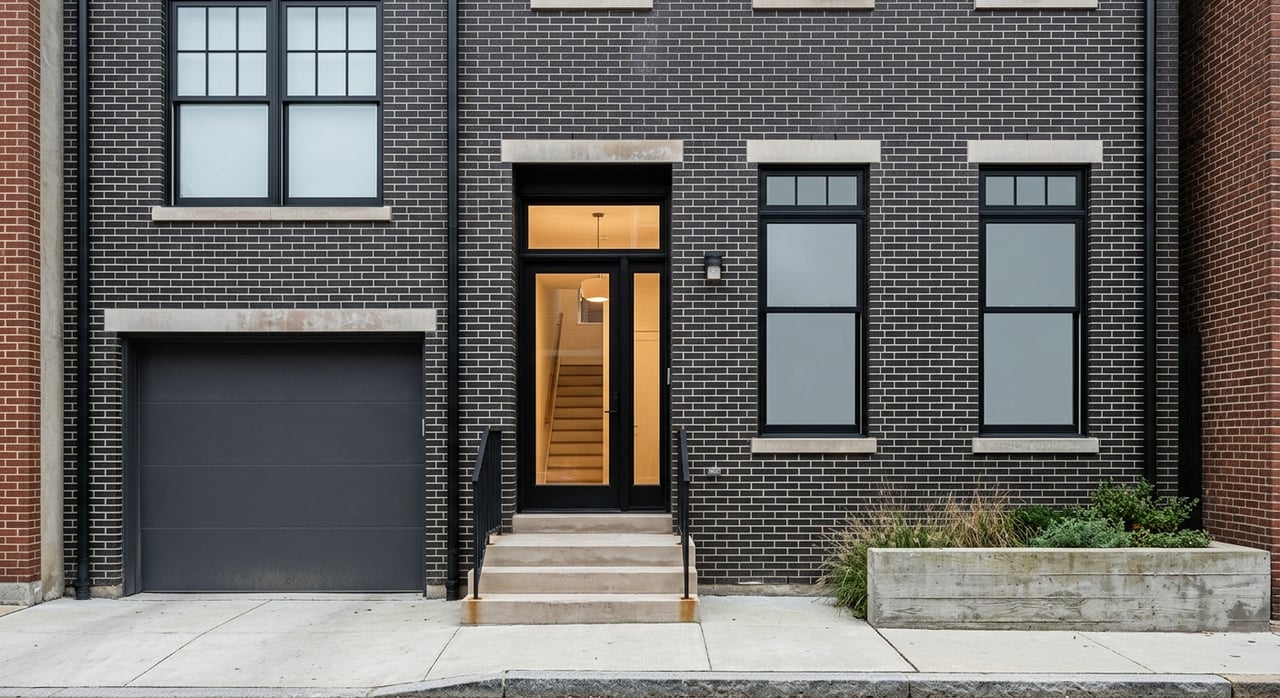
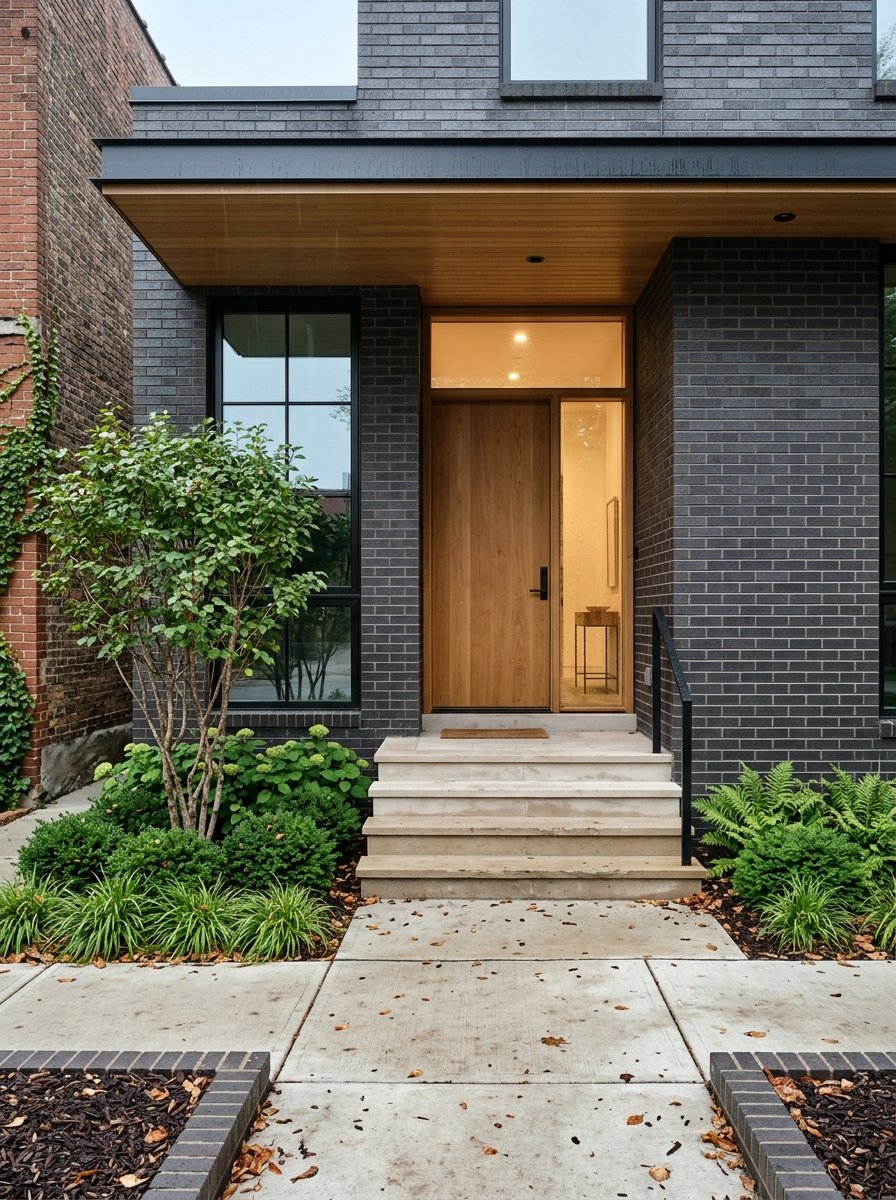
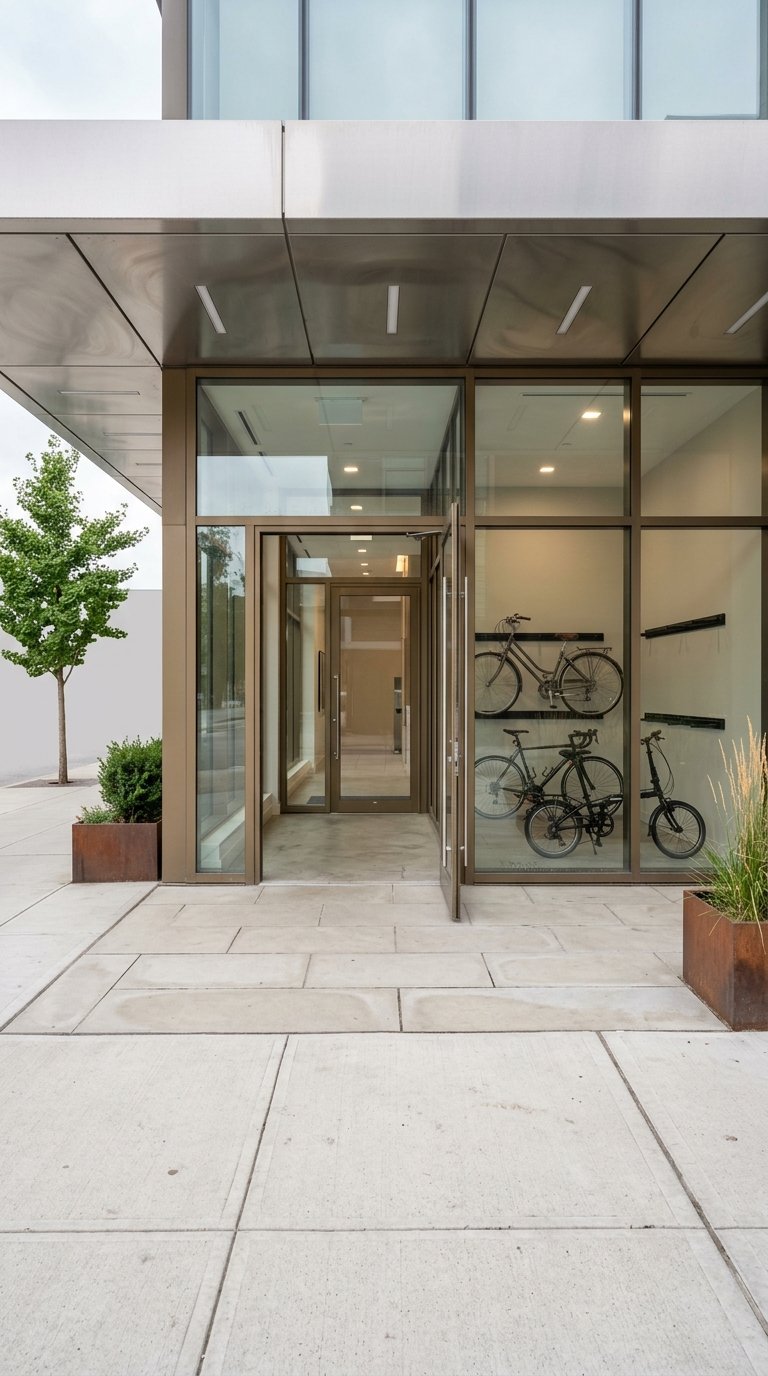
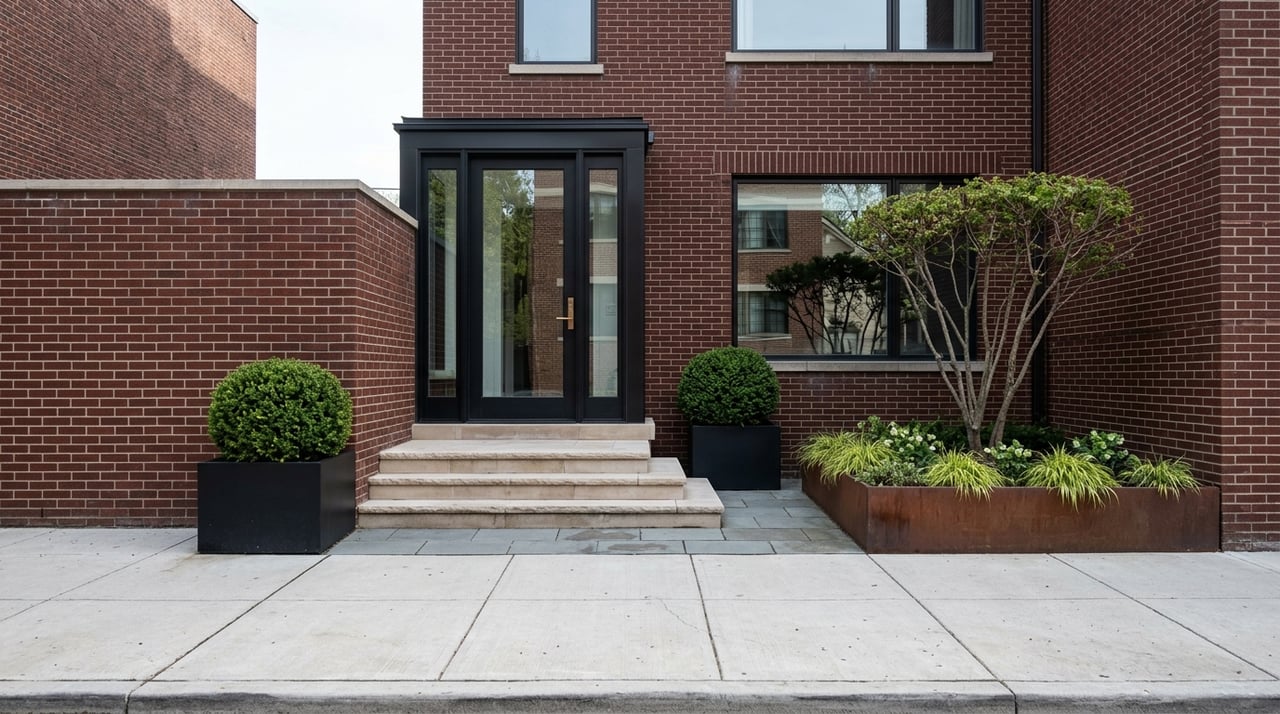
New construction usually appeals to buyers who want a more predictable starting point. Chicago’s current energy code applies to residential construction, and the city code says additions must conform as new construction. That means newer condos are generally being built to more current standards for systems and energy performance than older buildings were.
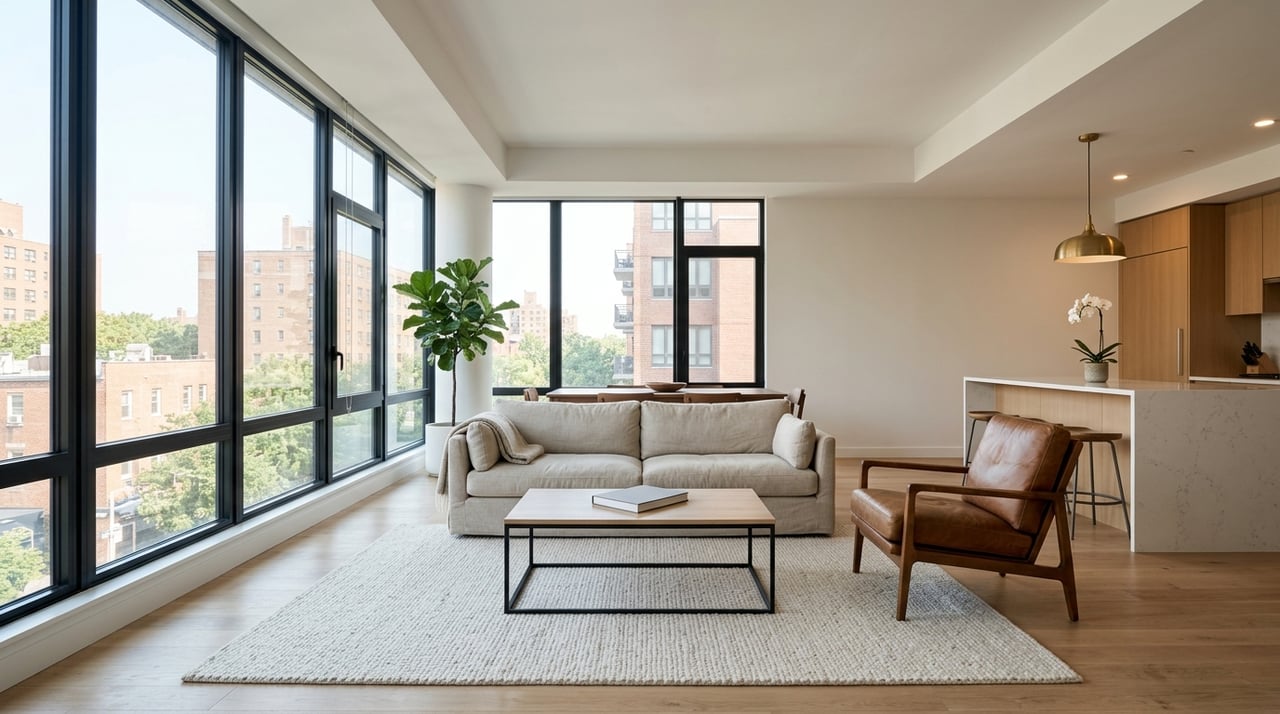
You may also find more consistency in layout and finishes. Newer condos often begin with a contemporary finish package and a more modern floor plan. If you want something that feels move-in ready with less immediate updating, that can be a major advantage.
Energy efficiency is another common draw. ENERGY STAR notes that certified new homes can use up to 30% less energy than typical new homes. While not every new condo will carry the same specifications, newer construction often gives you a stronger baseline for utility performance.
New does not mean identical. The actual ownership experience still depends on the building’s specs, systems, and association upkeep.
For larger condo buildings in Chicago, the city’s building energy benchmarking ordinance can provide another useful data point. The ordinance covers larger buildings, including many condominium properties, and contemplates disclosure of energy performance scores and energy use intensity.
That can help you compare buildings more carefully. Instead of assuming all new construction performs the same, you can ask better questions about efficiency, maintenance planning, and long-term operating costs.
One of the biggest mistakes buyers make is assuming the monthly assessment tells the whole story. In reality, the better comparison is not simply vintage versus new. It is whether the association is financially prepared for the building it manages.
Under Illinois condo law, resale buyers are entitled to important documents and disclosures. These include the declaration, bylaws, rules, unpaid assessments or liens, anticipated capital expenditures, reserve-fund status, financial statements, pending suits or judgments, insurance coverage, and a statement about prior alterations to the unit.
That disclosure package gives you a clearer view of the building behind the unit. A newer building may have higher assessments because it supports more amenities or systems. An older building may appear less expensive month to month, but the future cost picture can change if reserves are thin or major projects are coming.
If you are drawn to a vintage condo but want a more modern look, renovation may be part of your plan. In many cases, a vintage condo can be updated into a home that feels much more contemporary.
Still, the exact flexibility depends on more than your design ideas. Association rules, city permits, and the building’s status all matter. If a building is a designated Chicago Landmark or located within a landmark district, the Commission on Chicago Landmarks reviews permit applications that affect significant historic and architectural features.
In landmark districts, that review typically focuses on exterior elevations visible from the public right-of-way. Chicago handles those reviews through the normal building permit process. So if renovation is high on your priority list, it is smart to understand the building’s rules early.
The best choice usually comes down to fit. As you compare Lake View condos, focus on how each option supports the way you want to live, not just how it looks on day one.
Here are a few smart questions to ask:
Those questions often reveal more than the label of “vintage” or “new construction.”
A vintage Lake View condo may be the better fit if you want architectural detail, individuality, and a home with a strong sense of Chicago history. A renovated vintage unit can also offer a nice middle ground if you want character with more updated finishes.
A new construction condo may be the better fit if you prioritize current systems, efficiency, and a more predictable maintenance baseline. It can also make sense if you want a more contemporary layout and less immediate project work.
In the end, the strongest choice is often the condo with the right balance of layout, association health, assessment structure, and renovation flexibility for your plans. That is where thoughtful, neighborhood-specific guidance can make a real difference.
If you are weighing vintage charm against new construction in Lake View, a local perspective can help you see beyond finishes and focus on long-term value. To talk through the tradeoffs and narrow in on the right fit, schedule a neighborhood consultation with India Whiteside.
Stay up to date on the latest real estate trends.