Why Andersonville’s Side Streets Attract So Many Buyers
June 4, 2026
June 4, 2026
If you have ever walked one block off Clark Street in Andersonville and felt the pace change, you already understand the neighborhood’s appeal. Buyers are often drawn to places that feel connected without feeling chaotic, and Andersonville’s side streets offer exactly that balance. When you look closer, the draw comes down to layout, housing, everyday convenience, and access to parks and transit. Let’s dive in.
Andersonville is known for its historic roots, its strong neighborhood identity, and Clark Street as its main commercial corridor. The Andersonville Chamber describes the district as a walkable, locally focused area, and the Special Service Area runs along Clark Street from Ainslie to Victoria plus adjoining side streets up to the alleys. That layout helps explain why so many buyers are interested in nearby residential blocks.
For you as a buyer, that means you can live close to shops, restaurants, and neighborhood activity without being directly on the busiest stretch. The side streets function as the residential counterpart to the main street. They feel tucked in, but not cut off.
That balance matters in city living. Many buyers want to be able to run errands on foot, meet friends nearby, or enjoy neighborhood events while still coming home to a quieter block. In Andersonville, the street pattern supports that lifestyle in a very practical way.
Part of the appeal is not just where the side streets sit, but how the district is maintained. The Andersonville SSA supports sidewalk sweeping, pressure washing, native plant planters, snow removal, bike corrals, public art, holiday decorations, and façade rebates. Those details shape how a neighborhood feels day to day.
For buyers, small signs of upkeep often matter as much as big headline features. Clean sidewalks, maintained public spaces, and attractive streetscapes can make an area easier to enjoy in every season. They also reinforce the sense that the neighborhood has an active, established identity.
In Andersonville, those improvements support both the commercial corridor and the nearby residential blocks. That can make the side streets feel settled, functional, and inviting rather than overlooked.
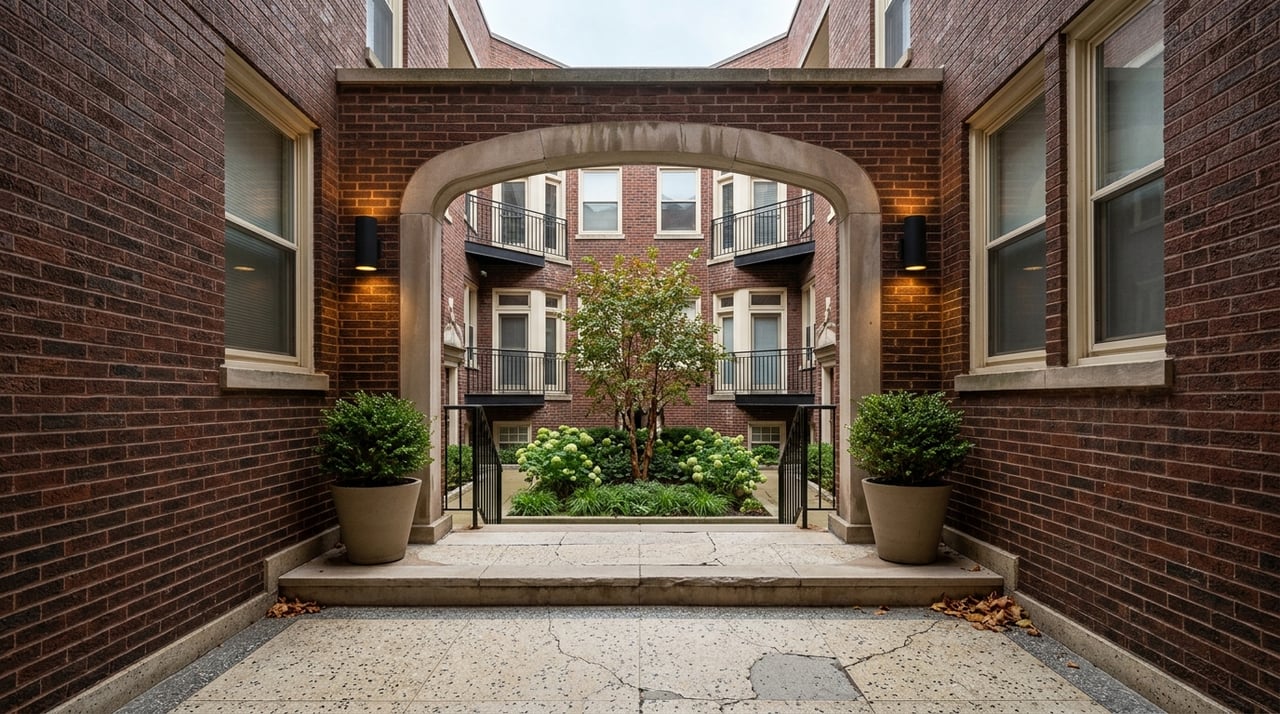
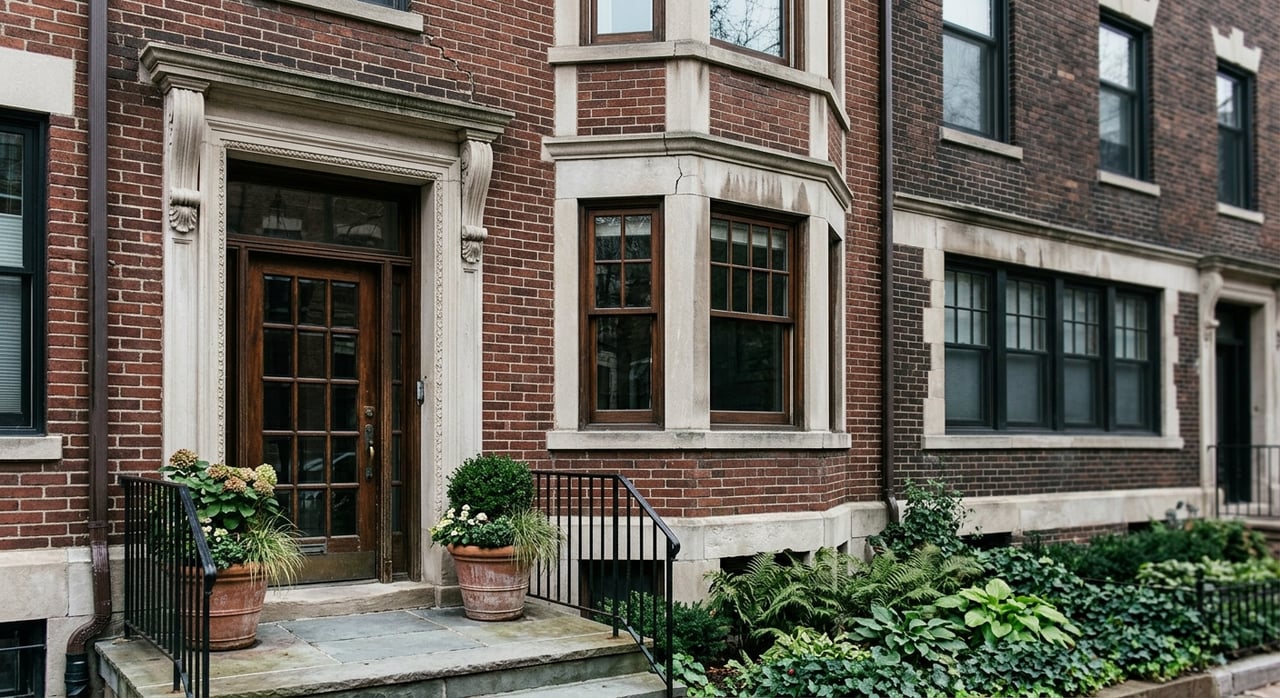
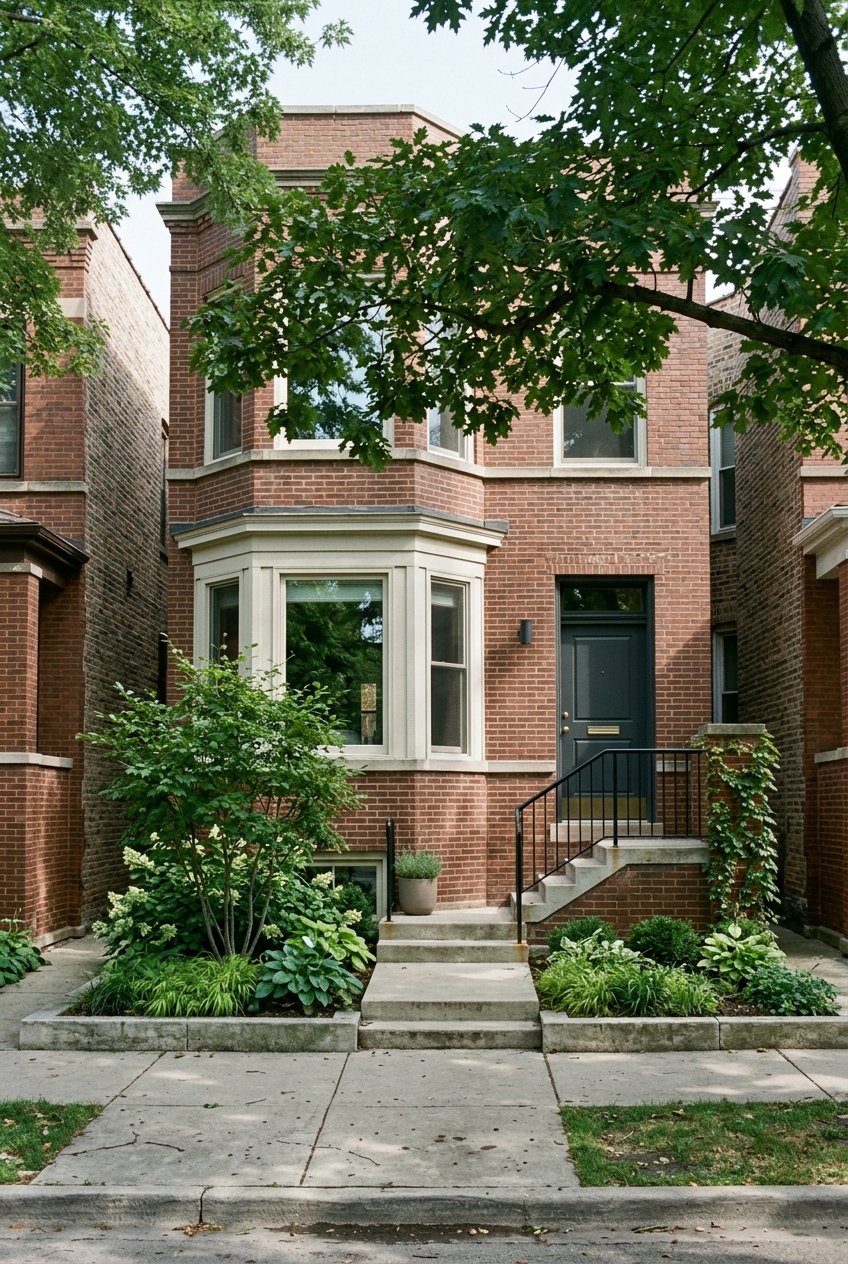
Another major reason buyers gravitate to Andersonville’s side streets is the housing stock. Andersonville sits within Chicago’s Greystone Belt, and greystones are one of the city’s most recognizable residential building types. Built largely from about 1890 to 1930, they include forms such as workers’ cottages, two-flats, row houses, and larger homes.
You also see the influence of classic Chicago two- and three-flats. According to the Chicago Architecture Center, these low-rise buildings make up about a quarter of Chicago’s housing stock and often feature masonry façades and bay windows. In Andersonville, that historic low-rise pattern helps define the feel of many residential blocks.
For buyers, this often translates to architecture that feels established rather than generic. Instead of a streetscape dominated by large-scale new construction, you are more likely to find older masonry buildings, consistent block patterns, and homes with visible architectural detail. That kind of continuity can be a major part of the neighborhood’s draw.
Andersonville’s Chamber also highlights a home and vintage district, which reflects the mix of local retail and established housing that many people associate with the area. That matters because buyers are not just choosing a floor plan. They are choosing how a block feels when they walk it.
On side streets, the scale is often more intimate than what you find in denser commercial corridors. Low-rise homes, vintage façades, and smaller building footprints can create a more residential rhythm from one property to the next. For many buyers, that rhythm feels comfortable and timeless.
This does not mean every block looks the same. It means the neighborhood offers a strong sense of visual continuity, and that often helps buyers picture themselves there for the long term.
One of Andersonville’s strongest selling points is how much daily life is concentrated nearby. The Andersonville Chamber notes that it has more than 430 businesses in its membership, along with more than 20 events a year, including Midsommarfest, Taste of Andersonville, Wine Walk, and Sidewalk Sales. That kind of neighborhood programming adds energy and consistency to local life.
If you live on a side street, you can enjoy the benefits of that active main street without having every front door sit directly in the middle of it. That difference is important. Many buyers want walkability, but they also want a home setting that feels a little removed from the busiest activity.
In practical terms, Andersonville’s side streets often give you both. You can be close to coffee shops, restaurants, boutiques, and neighborhood events, then return home to a block that feels more residential. That blend is a big reason these streets continue to attract attention.
Charm matters, but usability matters just as much. Andersonville benefits from access to both small-scale and larger green spaces, which adds to the appeal of living just off the commercial corridor.
Andersonville Park is a compact 0.19-acre park on Ashland one block north of Foster. It offers a quick outdoor option close to the neighborhood. For everyday routines, that kind of nearby green space can make a real difference.
Winnemac Park offers a larger experience. At 22.38 acres, it includes an accessible playground, prairie garden, nature trail, about 200 trees, three softball fields, and a soccer field. For buyers who want easy access to open space, walking paths, and recreation, that nearby park access strengthens the case for the surrounding side streets.
Another reason buyers look closely at Andersonville’s side streets is that they offer neighborhood calm without sacrificing connectivity. CTA service in and around the area includes the 22 Clark route, which provides overnight service and stops at Clark and Ainslie, Foster, Berwyn, and Bryn Mawr. Additional bus access comes from the 36 Broadway and 92 Foster routes.
Rail access also supports the area’s appeal. The Berwyn station is an accessible Red Line station with connections to CTA bus routes 36, 92, and 146. CTA also reports that the rebuilt Bryn Mawr station opened on July 20, 2025, with elevators, escalators, wider platforms, and real-time information displays.
For you, this means the side streets can offer a more relaxed residential setting without feeling remote. Whether you rely on transit daily or simply want options, that flexibility makes the neighborhood more practical.
When buyers respond strongly to Andersonville’s side streets, they are usually reacting to a combination of factors rather than one single feature. The neighborhood pairs a highly active main street with residential blocks that feel distinct from it. It also offers vintage low-rise housing, maintained public spaces, nearby parks, and multiple transit options.
That combination is hard to replicate. You get the convenience of a well-known neighborhood corridor along with the comfort of blocks that feel established and livable. For many buyers, that is exactly the right fit.
If you are weighing where to focus your search in Andersonville, it helps to look beyond the headline appeal of Clark Street and pay close attention to the surrounding blocks. In many cases, that is where the neighborhood’s everyday value becomes clearest.
If you want a clearer sense of which Andersonville streets, housing types, and nearby amenities best match your goals, India Whiteside can help you evaluate the neighborhood with a local, practical perspective.
Stay up to date on the latest real estate trends.