Are you drawn to Andersonville’s tree-lined streets and classic Chicago architecture but unsure which home style fits you best? You are not alone. From limestone greystones to two- and three-flats, courtyard condos, and modern single-family rehabs, each option offers a different mix of character, space, and upkeep. In this guide, you will learn how these home types compare, what to watch for on tours, and how to plan permits and budgets with confidence. Let’s dive in.
Andersonville housing at a glance
Andersonville on Chicago’s North Side blends historic masonry buildings with thoughtful infill. Many blocks feature late 19th and early 20th century homes that were built with solid masonry walls, wood floor systems, and period details. You will also find low-rise courtyard condominiums and modernized single-family rehabs.
Because many buildings are older, renovation needs can include masonry repair, foundation work, and mechanical upgrades. Most structural, electrical, plumbing, or layout changes require City of Chicago permits. Some properties may be subject to local historic review or eligible for federal historic tax incentives if they are income-producing and certified. Always confirm a specific property’s permitting and landmark status before planning work.
Greystones: classic limestone charm
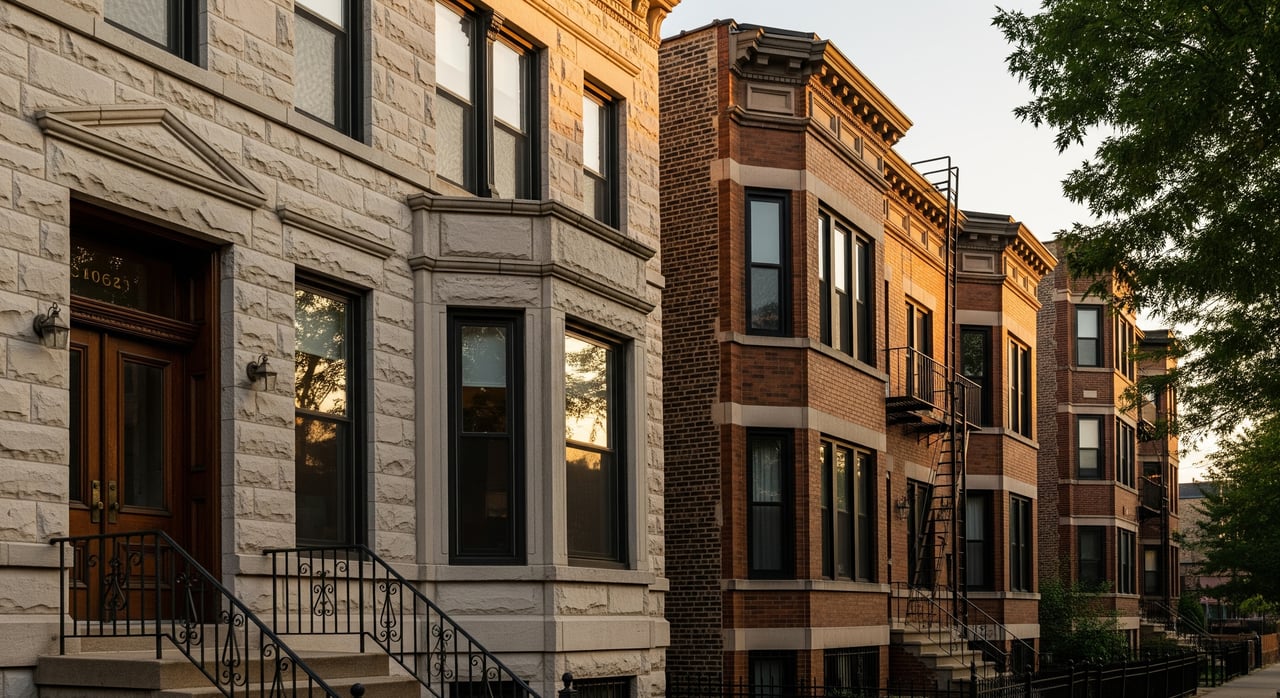
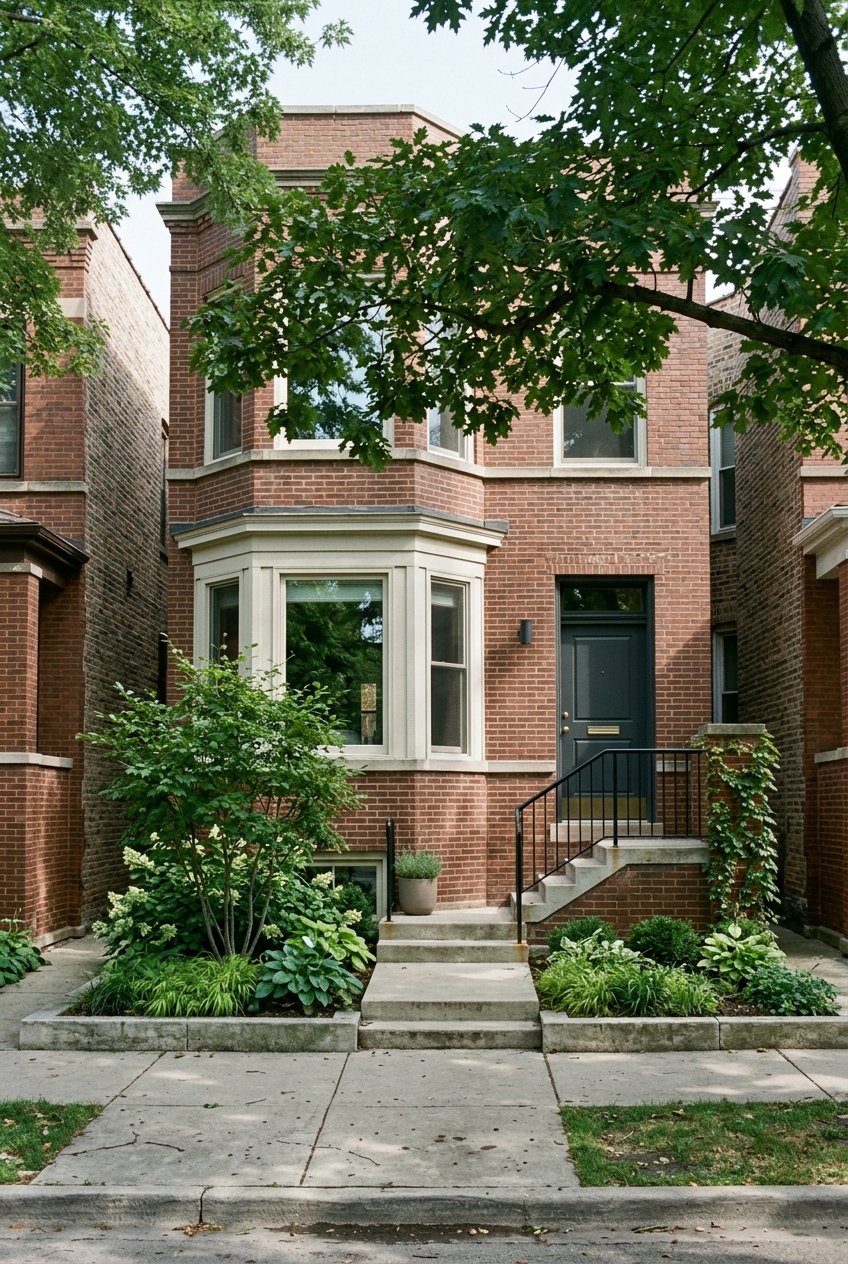
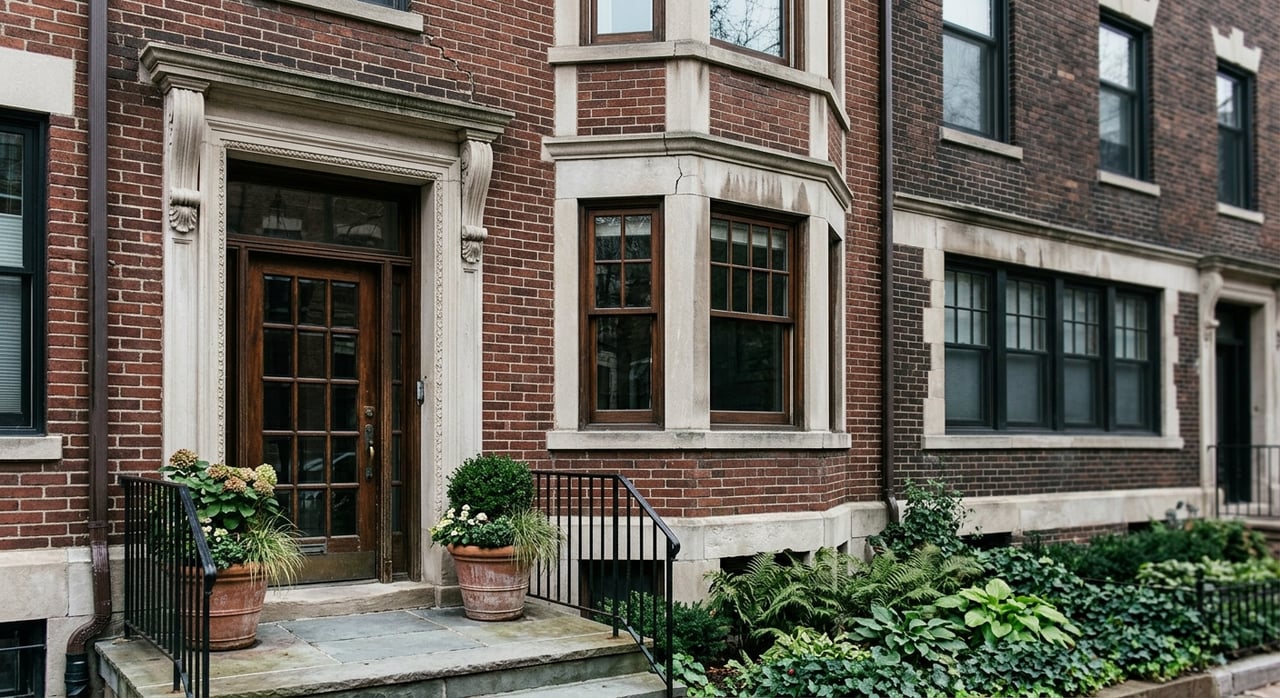
Greystones are Chicago icons. These 2 to 3 story homes often have a limestone facade, front stoop, bay windows, and tall ceilings. Inside, you will see raised parlor levels for living and dining, large windows, and detailed trim. Many offer ceiling heights around 9 to 12 feet on main levels and generous room sizes compared with newer builds.
What you will love:
- Strong period character with millwork, tall doors, and bay windows.
- Large rooms and good natural light.
- Masonry facades that anchor the streetscape.
What to weigh:
- Tuckpointing and masonry repairs can be recurring needs.
- Water infiltration at lintels, stoops, or porches requires attention.
- Electrical, plumbing, and windows may need updating or restoration.
Layout notes and upgrades:
- Many greystones have kitchens at the rear with bedrooms upstairs and basements used for utilities or storage.
- Opening older, compartmentalized rooms into an open plan can require structural beams and permits.
- If converted into multi-units in the past, systems and egress may follow multi-family codes.
Who it fits: You value historic detail and are comfortable budgeting for periodic masonry and system upgrades. If you prefer turnkey, consider a greystone with a recent, permitted interior rehab.
Two- and three-flats: flexibility and income
Two-flats and three-flats are purpose-built multi-unit buildings with stacked full-floor apartments. Typical layouts include a raised first floor (parlor level), a second floor, and sometimes a third. Ownership varies from owner-occupied with a tenant upstairs to investor-owned or condo conversions.
What you will love:
- Income potential if you live in one unit and rent the other.
- Full-floor layouts with classic proportions and high ceilings.
- The option to condo-convert in some cases, subject to code and permits.
What to weigh:
- Shared building systems such as roofs and foundations add complexity.
- Older boilers or single-pipe steam systems may need replacement or conversion.
- Tenant law considerations apply if you rent out units, and HOA rules apply if converted to condos.
Renovation notes:
- Upgrades can be done unit by unit or as a whole building. Full-building updates can be costly and require permits.
- Changing unit counts, adding a dwelling unit, or building a rear addition requires zoning checks.
Who it fits: You want flexibility and potential rental income. You are comfortable navigating permits, maintenance of shared systems, and tenant or HOA rules.
Courtyard condos: low-maintenance living
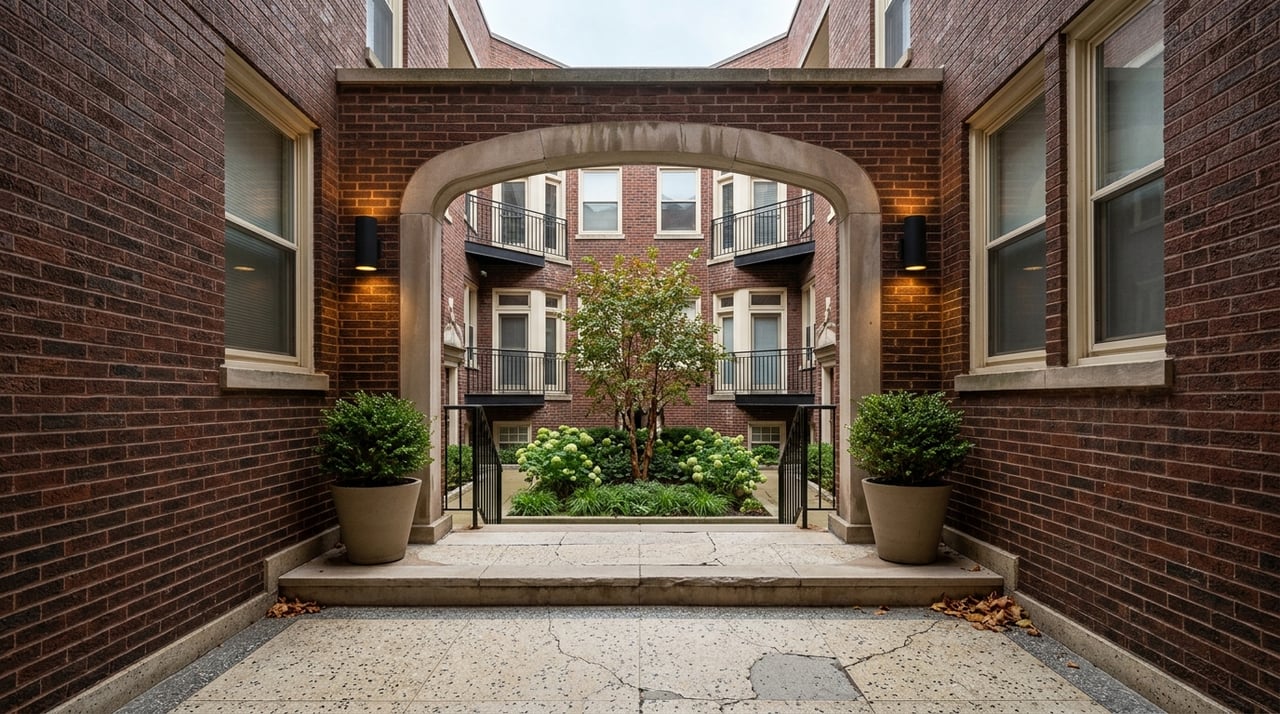
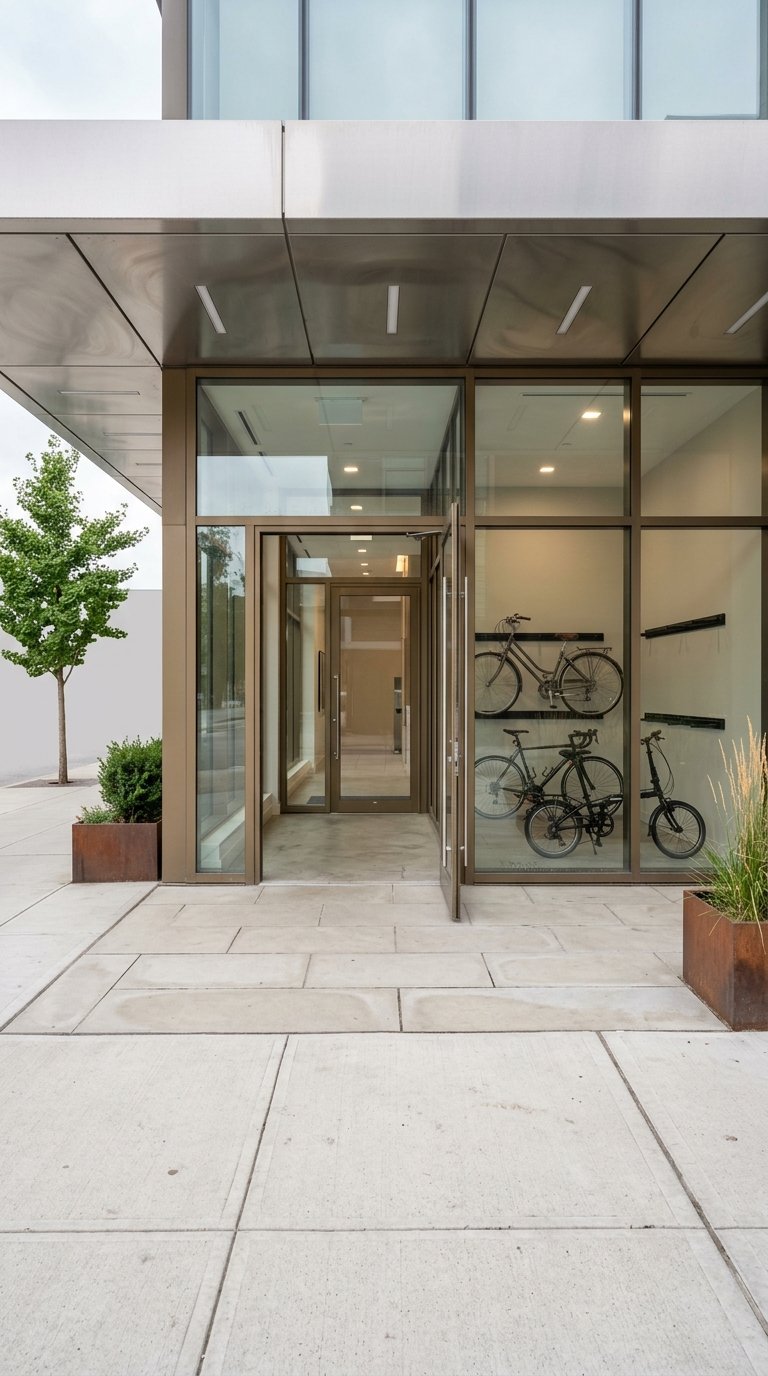
Courtyard condominiums are low-rise buildings arranged around a landscaped courtyard. Units typically have 1 to 3 bedrooms, with living rooms facing the courtyard and shared corridors or stairwells.
What you will love:
- Lower maintenance because the HOA handles building systems and common areas.
- Secure, community-oriented layouts with controlled entries.
- Many units offer updated interiors in newer conversions or buildings.
What to weigh:
- HOA fees, rules, and assessments affect your monthly costs.
- Some units may have modest square footage compared with larger flats.
- Courtyard orientation can impact natural light in certain rooms.
Due diligence tips:
- Review the HOA budget, reserves, recent special assessments, and planned projects.
- Confirm pet, leasing, and renovation policies.
- Check window condition, ventilation, and any elevator or roof projects in the pipeline.
Who it fits: You want convenience and predictable upkeep. You are comfortable with HOA oversight and monthly assessments in exchange for lower maintenance.
Single-family rehabs: vintage meets modern
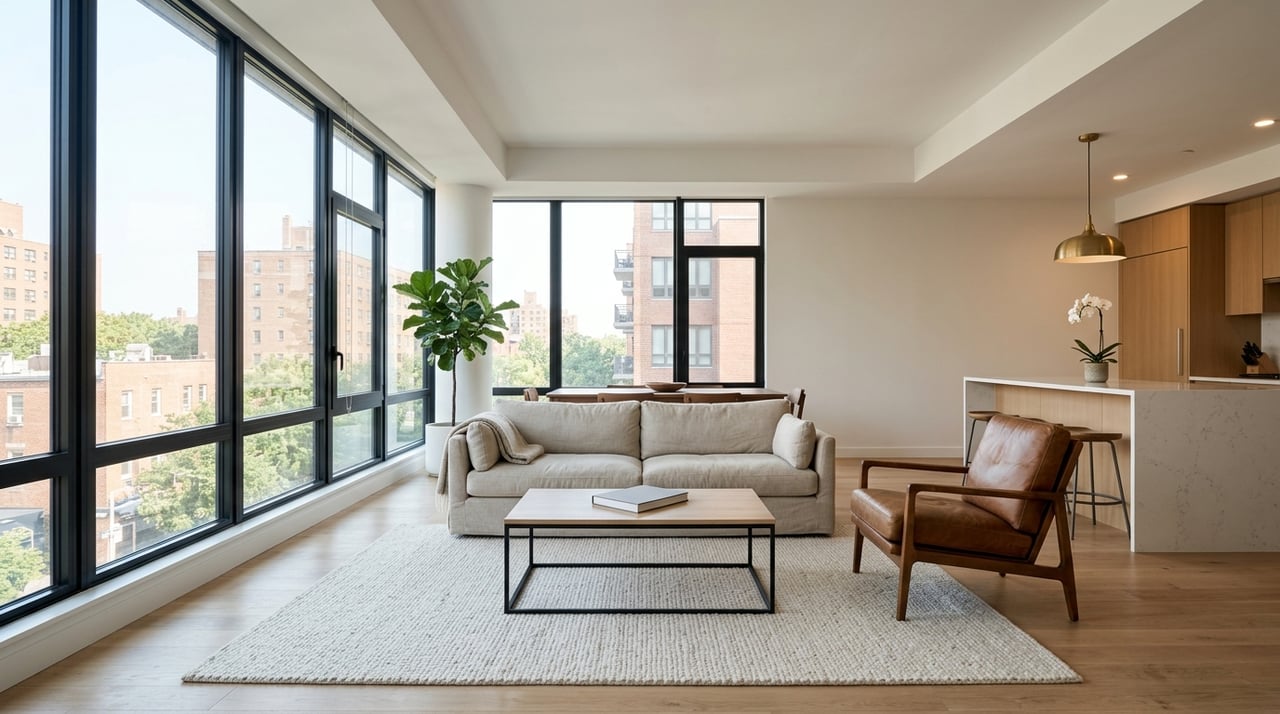
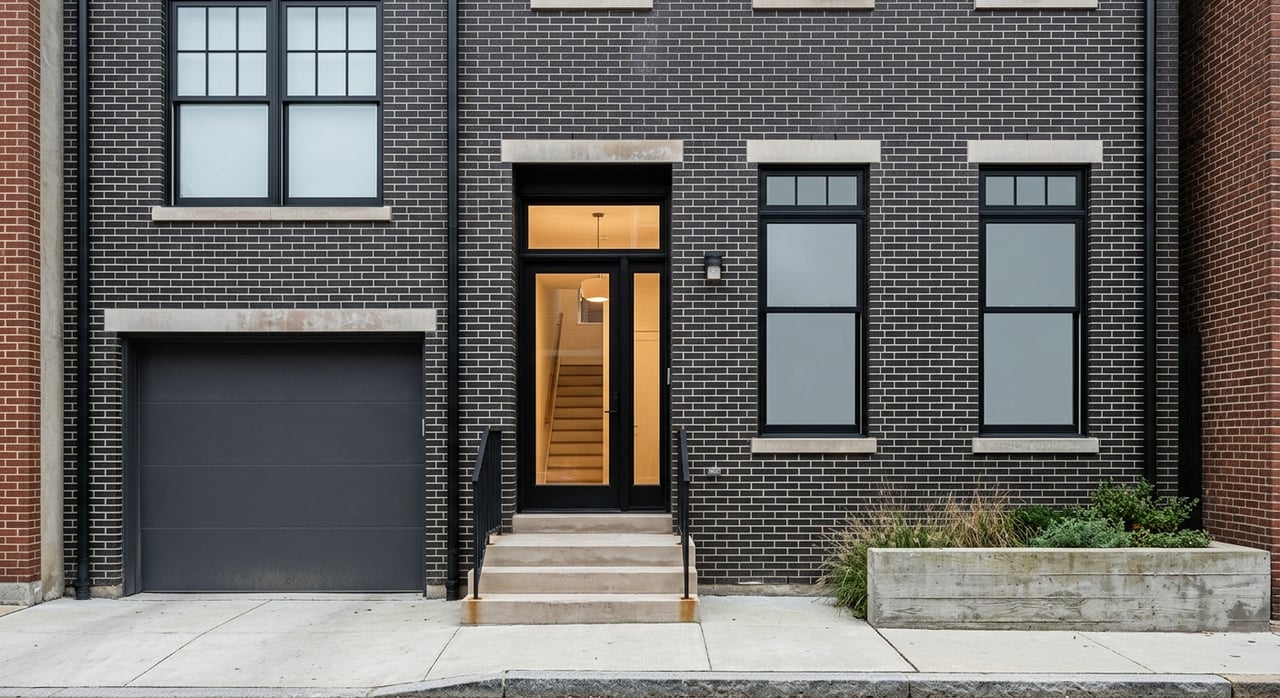
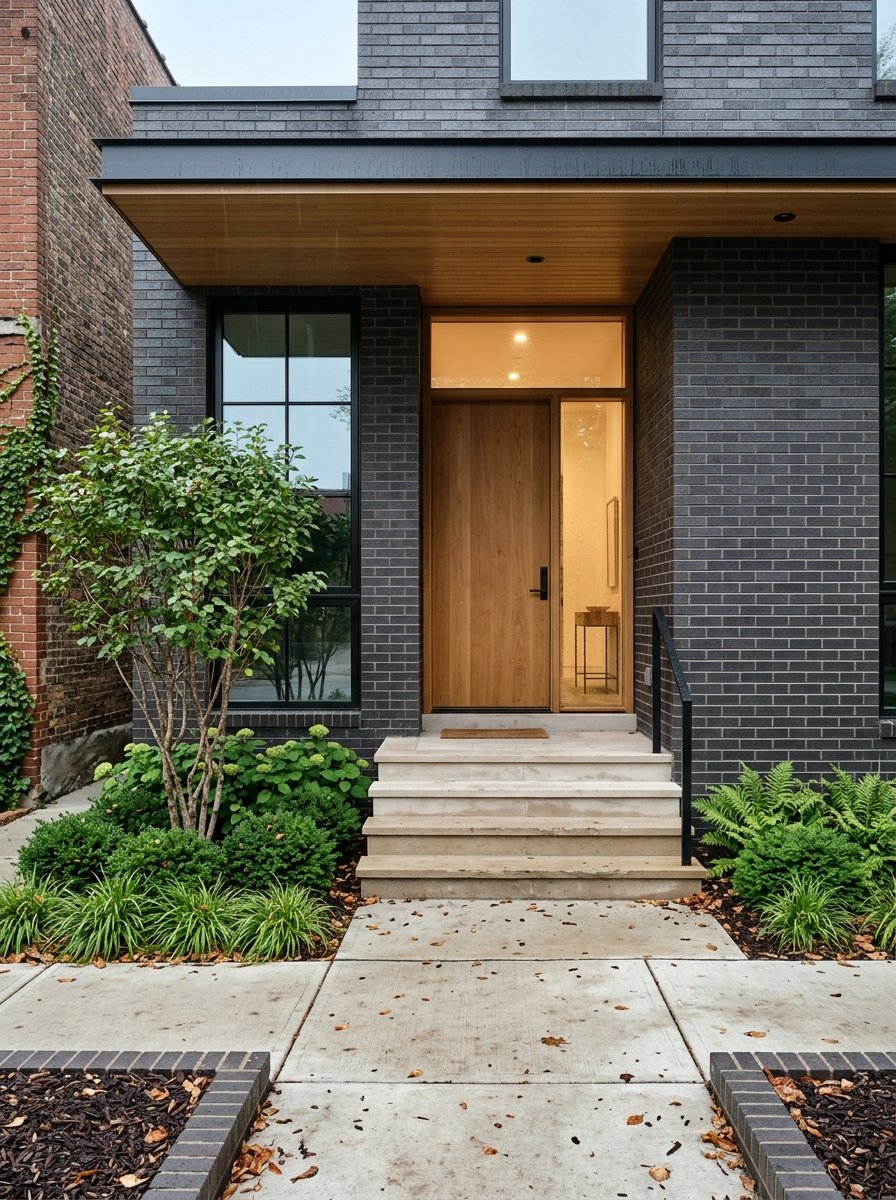
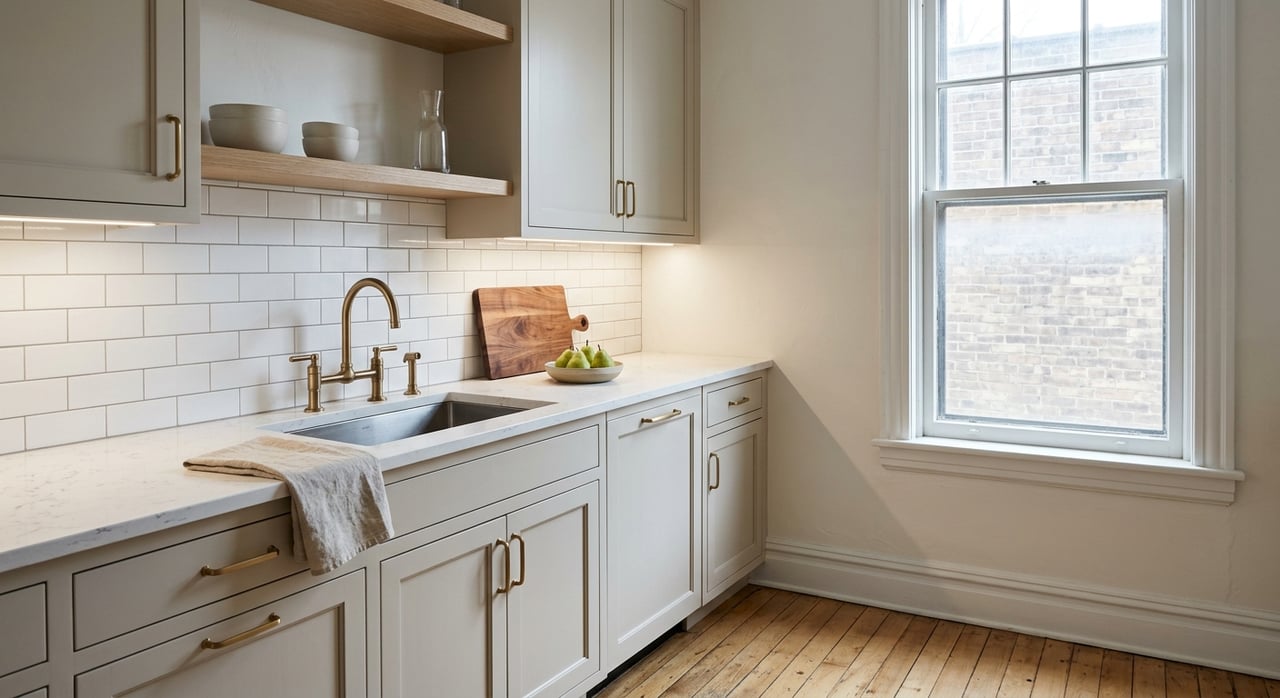
Single-family rehabs reimagine older buildings into modern homes. Many preserve the historic facade while opening interiors with a large kitchen, multiple baths, and upgraded mechanicals.
What you will love:
- Turnkey living with central HVAC, modern windows, and insulation.
- Open floor plans and added amenities like decks, rooftop spaces, or garages.
- Higher efficiency and predictable maintenance compared with older systems.
What to weigh:
- Higher purchase price and potentially higher property taxes post-rehab.
- Additions, new decks, or unit changes require permits and inspections.
- Always verify that work was permitted, inspected, and warrantied.
Due diligence tips:
- Ask for a list of permitted work and final approvals.
- Confirm contractor references and warranty terms.
- If units were combined, ask how the project addressed fire separation, egress, and stair requirements.
Who it fits: You want modern systems and finishes without managing a major renovation yourself. You value energy efficiency and a streamlined timeline to move-in.
Renovation and inspection priorities
Older Andersonville buildings reward careful inspections. Focus on these areas:
- Masonry and envelope: Check mortar joints, tuckpointing needs, and flashing around windows and roofs. Watch for stone sill deterioration, brick spalling, and signs of water intrusion.
- Foundations and basements: Look for settlement cracks, dampness, efflorescence, and sump pump or drain tile systems. Hydrostatic pressure is common in older basements.
- Roofs, parapets, cornices: Flat roofs and parapet flashing age out and can channel water behind facades if not maintained.
- Mechanical systems: Identify boiler age and type, radiator condition, and whether conversion to forced air has been done. Confirm electrical service size and the presence of GFCI and AFCI protections. Look for galvanized plumbing and cast-iron stacks.
- Hazardous materials: For pre-1978 buildings, follow lead-based paint rules. Asbestos can be present in older insulation or HVAC components. Testing and proper protocols are recommended before demolition or paint disturbance.
- Layout and code: Opening plans or adding units can trigger structural work and life-safety upgrades. Plan for permits and engineering where needed.
Recommended inspections:
- Full general home inspection by a licensed inspector.
- Sewer scope on older rowhouses and flats to spot tree root intrusion or blockages.
- Electrical evaluation for service capacity and older wiring types.
- HVAC or boiler inspection by a licensed mechanical contractor.
- Chimney and fireplace inspection if present.
- Lead and asbestos testing if renovations are planned.
Permits, zoning, and incentives
- Permits: Most structural, electrical, plumbing, mechanical, and egress work in Chicago requires permits and inspections. Unpermitted work can complicate resale or financing.
- Zoning: Zoning controls unit counts, density, and parking. Confirm your parcel’s zoning before planning a conversion or addition.
- Historic review: Properties with local landmark status may need review for exterior changes. If a building is income-producing and certified historic, the federal historic rehabilitation tax credit can offer a 20 percent credit for qualified work. Program availability and rules depend on ownership, use, and certification.
- Financing: Renovation loans such as FHA 203(k) or other construction products can fund improvements but require appraisals and detailed scopes. Lenders may require proof of permits and clear title.
Touring checklist for Andersonville homes
Quick visual cues during showings:
- Exterior: Mortar condition, parapet or roofline cracks, and water stains on the facade. Check stoops and porches for movement.
- Entry and stairs: Look for sagging treads, creaks, and proper smoke and carbon monoxide detectors.
- Windows: Note wood window condition, single-pane versus replacements, and any condensation between panes.
- Basement: Check for damp odors, visible water lines, sump pump presence, and the age of the boiler, HVAC, and water heater.
- Kitchen and baths: Confirm GFCI outlets, working ventilation, and visible plumbing materials.
Smart questions to ask sellers or HOAs:
- Was any major work done without permits, and do approvals or certificates exist?
- What recent repairs were completed (tuckpointing, roof, boiler, sewer) and are warranties transferable?
- For condos: What is the reserve fund balance, recent assessments, and any planned projects? What are rental and renovation rules?
- Utility averages and typical heating source, since steam and hot water systems can be costlier to run.
Costs and timelines to expect
Every building and scope is different, but you can use these general ranges to plan your path:
- Cosmetic refresh: Paint, flooring, and minor updates often take weeks to two months. Permits are minimal unless systems are changed.
- Partial renovation: Kitchens, baths, and some system upgrades typically take 2 to 4 months and require permits for plumbing and electrical.
- Full unit gut rehab: Rebuilding to the studs with new systems, insulation, and windows can run 3 to 9 months depending on complexity.
- Whole-building or conversions: Projects that change unit counts or require full code compliance often run 6 to 18 months or longer with additional permitting and potential historic review.
Budgeting approach:
- Obtain multiple bids with clear scopes and timelines.
- Carry a 10 to 20 percent contingency for unknowns common in older buildings.
- Confirm permit timelines and required inspections that can affect scheduling.
Which home style fits you
Use this simple framework to narrow your fit:
- You love vintage character and can manage maintenance: Consider a greystone or classic flat.
- You want flexibility or rental income: Look for a two-flat or three-flat and confirm zoning and tenant considerations.
- You prefer low-maintenance living with predictable costs: A courtyard condo with strong reserves may be ideal.
- You want modern systems and an open plan: A permitted single-family rehab offers turnkey convenience.
As you compare options, list your must-haves, nice-to-haves, and deal-breakers. Weigh ceiling height, light, outdoor space, commute, and renovation appetite against your timeline and budget.
Get local guidance, start smart
Choosing among Andersonville’s greystones, flats, courtyard condos, and single-family rehabs comes down to balancing charm, space, and upkeep. With deep North Side experience, staging and renovation insight, and a consultative approach, you can simplify decisions and avoid costly missteps. If you want a calm, step-by-step plan for touring, inspections, and offers, connect with India Whiteside to map your next move.
FAQs
What defines an Andersonville greystone home style?
- A greystone is a 2 to 3 story masonry home with a limestone facade, high ceilings, bay windows, and period trim, often with a raised parlor level and large rooms.
What should I check in a Chicago two-flat before buying?
- Confirm roof and masonry condition, boiler or HVAC age, separate utilities, permit history, zoning for unit count, and any tenant or HOA rules impacting use.
How do courtyard condo HOAs impact ownership?
- HOAs manage building systems and set rules, so review reserves, recent assessments, pet and rental policies, and planned projects before committing.
Do Andersonville rehabs need special permits or reviews?
- Most structural, mechanical, and layout changes require permits, and locally landmarked exteriors may need historic review, so verify status early.
Are historic tax credits available in Chicago?
- Income-producing certified historic buildings may qualify for a 20 percent federal rehabilitation tax credit, subject to program rules and approvals.