Buy a Condo in Lincoln Park: Step‑By‑Step Guide
December 4, 2025
December 4, 2025
Thinking about buying a condo in Lincoln Park but not sure where to start? You’re not alone. Between building types, HOA rules, financing, and Chicago-specific closing steps, the process can feel overwhelming. This guide breaks it down into a simple path you can follow, with local tips to help you buy with confidence. Let’s dive in.
A strong pre-approval makes your offer competitive in Lincoln Park. Tell your lender you’re buying a condo so they can factor in HOA dues and perform any required project review. This helps you avoid delays later.
Compare homes by building type, monthly assessments, and what dues include. Note whether parking and storage are deeded, assigned, or unavailable. In competitive segments like renovated one-bedrooms near the lake, expect faster timelines.
Include key contingencies: inspection, financing, and HOA/association document review. Align your proposed closing date with seller needs and realistic lender timelines. Earnest money is held in escrow once both parties sign.
Plan your inspection quickly after acceptance, usually within 5 to 10 business days, depending on the contract. In older buildings and conversions, deeper review of roof, masonry, and mechanicals is wise. Use findings to negotiate repairs or credits.
During your document review window, assess the association’s rules, budget, reserves, and any planned projects. Confirm whether rentals are restricted and how parking, storage, and renovations are managed. If documents reveal significant issues, your contract should allow you to cancel within the review period.
Your lender orders the appraisal and completes underwriting, which can take 1 to 3 weeks. Some buildings require a condo project review. If the project does not meet certain standards, you may need a different loan type or lender.
Once you finish inspections, complete HOA review, and receive loan approval, you can remove contingencies. Title is also reviewed to ensure clear ownership.
Expect roughly 30 to 45 days from offer acceptance to closing, though timing can vary. You will verify the HOA’s assessment status, master insurance, and association fees as part of closing logistics. After final walk-through and signing, you get the keys.
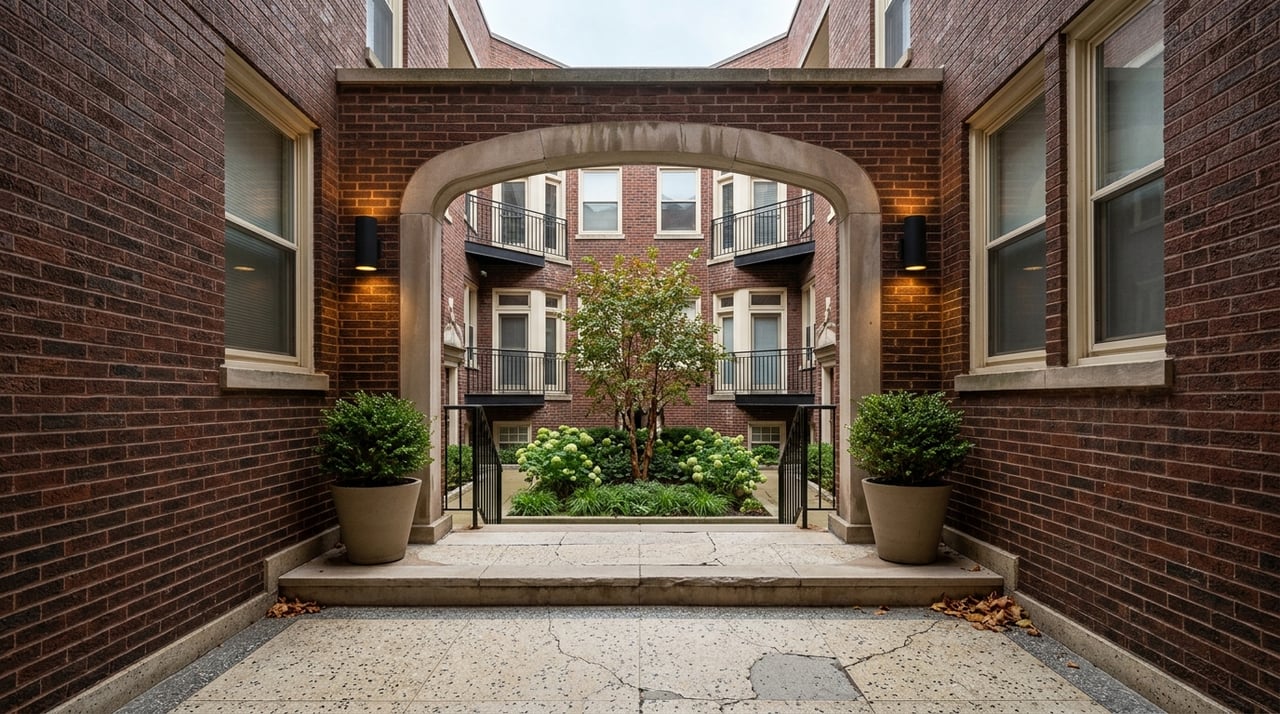
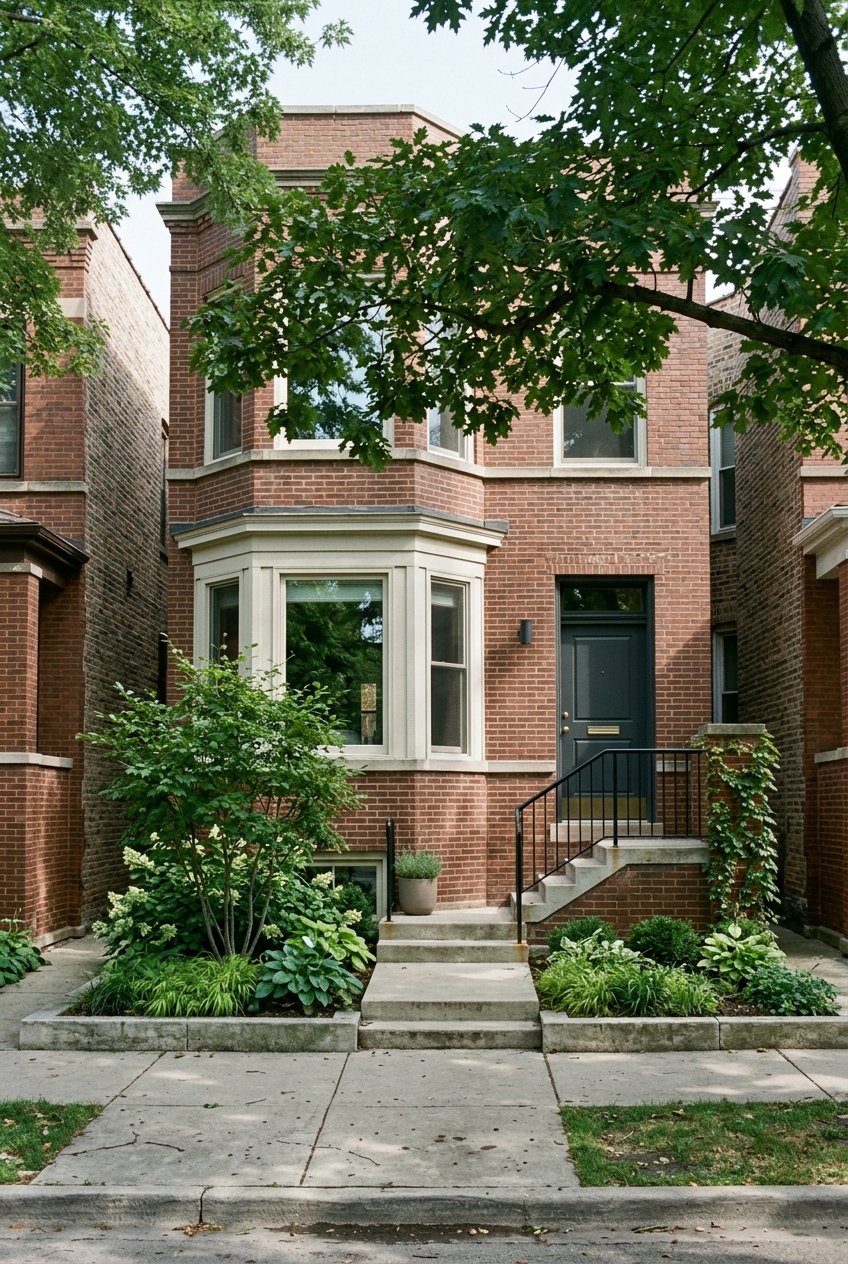
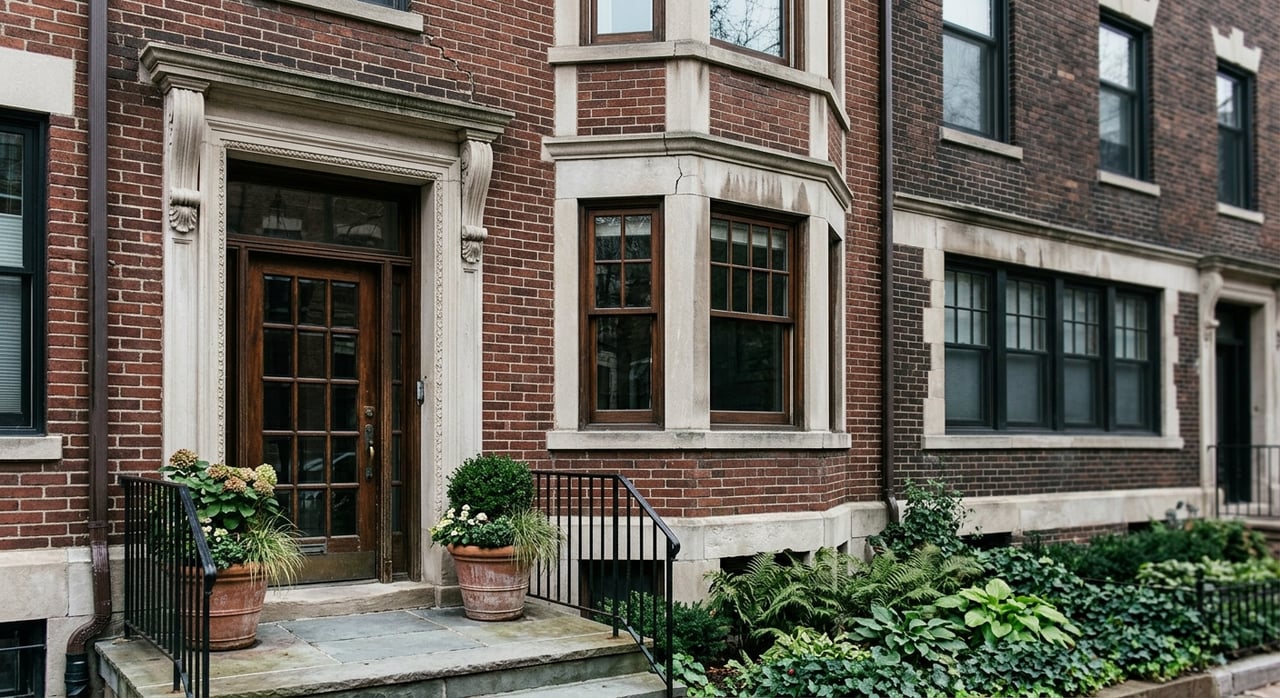
These pre-war 2 to 4 story buildings often have masonry facades and smaller associations. Focus inspections on masonry and tuckpointing, roof condition, water intrusion, and aging plumbing and electrical. Smaller HOAs may have limited reserves, so review recent minutes and any history of special assessments.
Mid-rises typically offer elevators, shared HVAC or boiler systems, and modest amenities. Inspect elevator maintenance records, boiler/HVAC age, waterproofing at decks and terraces, and the roof. Review the reserve study and budget for signs of upcoming capital projects.
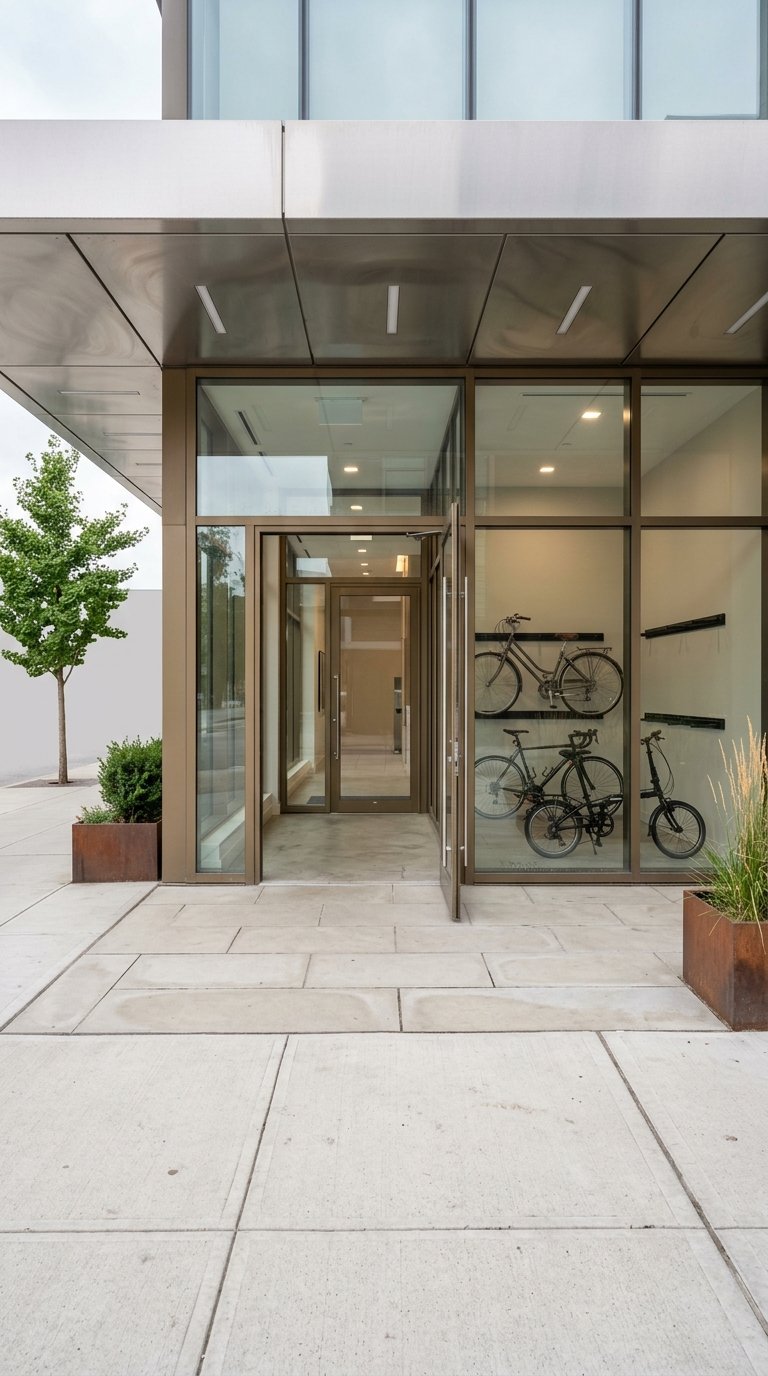
High-rises may include doorman service, fitness, pools, and on-site management. Inspect major mechanicals like central boilers or chillers, elevator modernization needs, facade and window seals, life-safety systems, and roof or penthouse areas. Higher assessments often reflect amenities and staffing, so read the budget closely.
Ask for a full package early in escrow. Key items include:
Financial health indicators to check:
The Illinois Condominium Property Act is the legal framework governing condo associations in the state. For statutory reference, start at the Illinois General Assembly.
Conventional, FHA, VA, and portfolio lenders each have different condo requirements. Tell your lender early that you are buying a condo, since underwriting includes a project review and an appraisal.
Appraisers use comparable condo sales, often in the same building or nearby. Parking, storage, level of renovation, and monthly dues influence value. High dues or large pending assessments can also affect loan qualification.
Many lenders follow Fannie Mae and Freddie Mac standards for condo projects, including limits on single-entity ownership, commercial space, reserves, and litigation. Learn more about project standards at Fannie Mae. For lower down payment options, review whether the building appears on HUD’s FHA-approved list via HUD.
If a project is not eligible with one lender, another lender or a larger down payment may be possible. Ask about portfolio options if needed.
Confirm the current assessed value and exemptions through the Cook County Assessor. The City of Chicago collects a real property transfer tax; responsibilities are set by contract and local custom, so check terms and your attorney’s guidance. Review city tax information at the City of Chicago.
For older buildings and conversions, verify that major interior work was permitted and closed with the City of Chicago. You can review permitting information and code matters with the Chicago Department of Buildings.
For consumer guidance on Illinois forms and resale requirements, consult resources from Illinois REALTORS.
Buying a condo in Lincoln Park is smoother when you have an experienced, neighborhood-rooted guide. With decades on Chicago’s North Side and a consultative, renovation-aware approach, India Whiteside helps you compare buildings, understand HOA trade-offs, and navigate financing and closing so you can move in with confidence.
Stay up to date on the latest real estate trends.