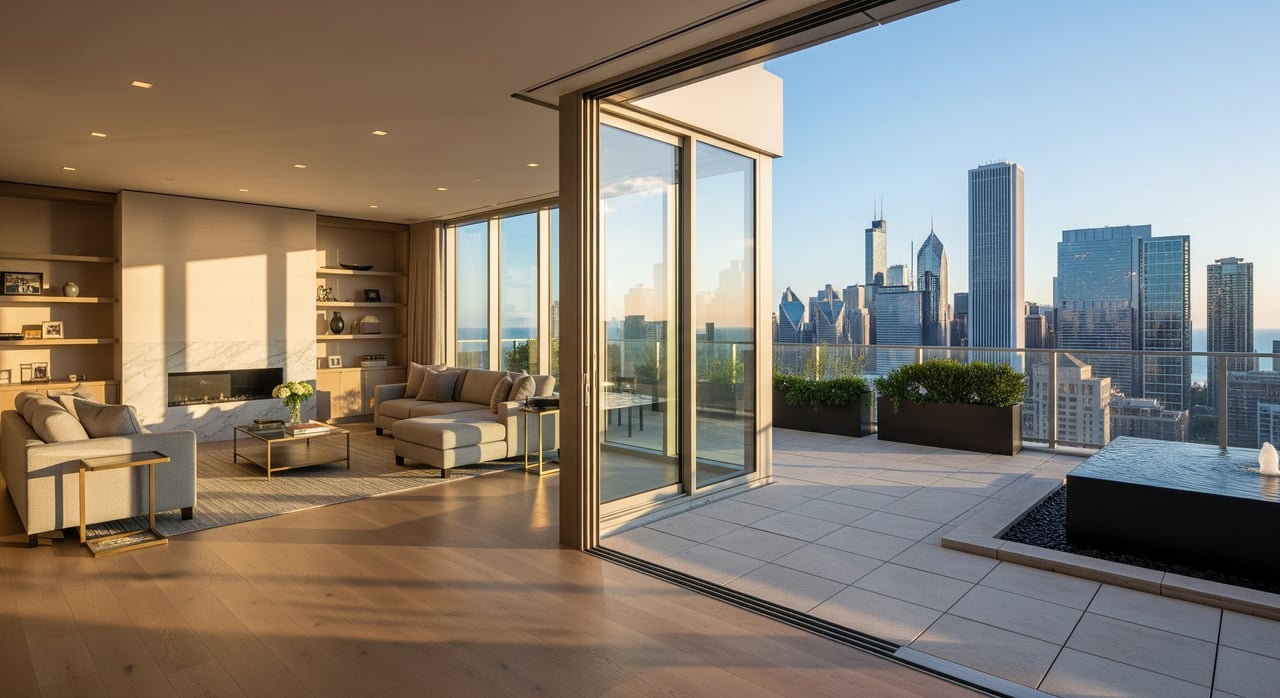
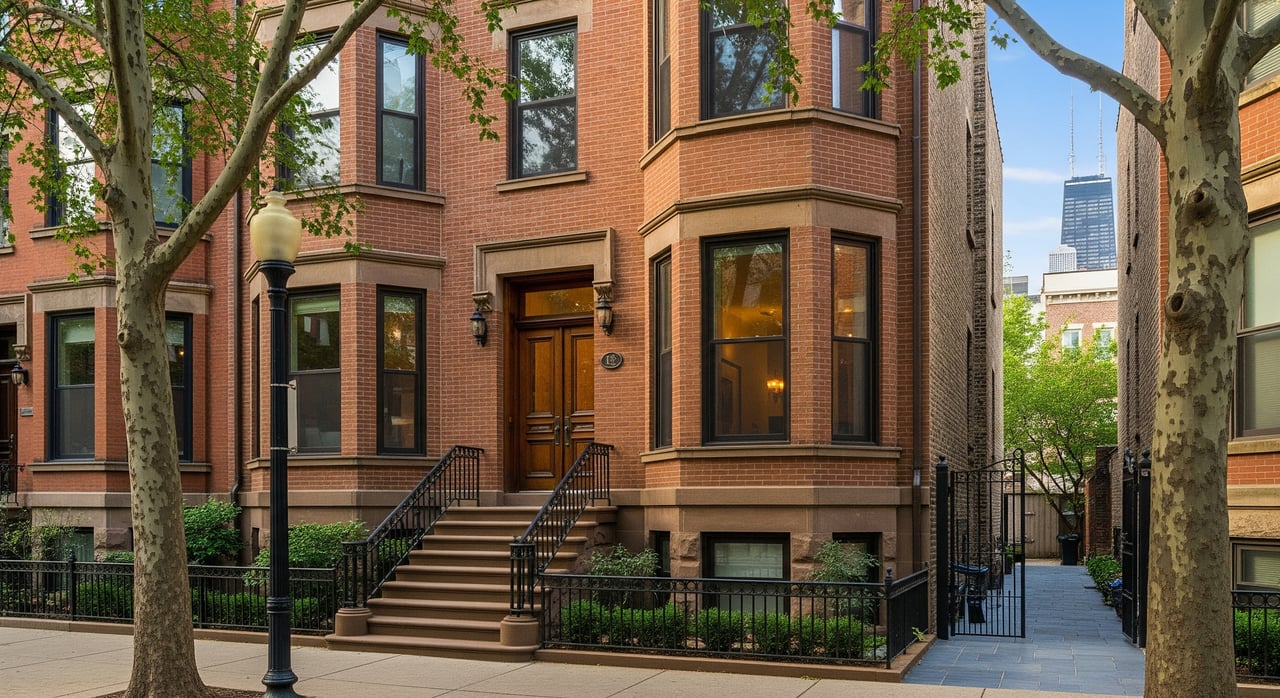
Looking at luxury condos in Streeterville and wondering how to spot true value fast? You’re not alone. Between glass-and-steel towers, lake views, and deep amenity lists, it’s easy to fall for the shine and miss the fine print that drives long-term value. In this guide, you’ll learn how pricing really works here, what defines “luxury,” which building factors matter most, and how to protect your purchase with smart due diligence. Let’s dive in.
Streeterville market snapshot
Streeterville’s condo market shows a neighborhood median in the mid-$500k range, with many buildings trading around $400 to $420 per square foot. Active inventory is robust and refreshes constantly, which gives you options at multiple price tiers. Different data sources use different methods, so you’ll see gaps between “average value” estimates and live listing medians. What matters most is how a specific unit compares on floor height, exposure, building services, and financial health.
Luxury activity is alive and well. Across Streeterville and the broader Near North luxury set, closed sales and listings often exceed $1 million, with multiple trades in the $2 million to $6 million range. As one public example, a residence at One Bennett Park reportedly sold near $4 million, which reflects the premium for top-tier views, finishes, and full-service living. You can see the building’s pedigree and design context in the public record for One Bennett Park.
What counts as “luxury” here
Streeterville’s pricing tiers are best understood by features and exposure, not just square footage.
- Entry to upper-mid: Around the neighborhood median into roughly the $600k to $900k range, often in amenity buildings without premium exposures.
- Premium upper tier: About $900k to $2 million, typically higher floors with lake or river views, renovated interiors, and strong services.
- Luxury and ultra-luxury: $2 million and up, including full-floor residences, penthouses, and trophy addresses. Using $1 million as a practical entry to luxury makes sense here, but the true ultra category usually starts well above $2 million. A notable case at One Bennett Park at about $4 million backs up that top-tier pricing, as covered by The Real Deal.
Value drivers that set pricing
Several factors have an outsized impact on Streeterville condo values. Focus on these when you compare options:
- Floor and exposure. Unobstructed lake, river, or skyline views command the strongest premium. Higher floors with wide exposures produce the most consistent price lift.
- Building type and services. Full-service buildings with a staffed door, concierge, on-site engineering, and hotel-style amenities tend to price higher and carry higher monthly assessments.
- Parking and storage. Deeded garage parking is often sold separately for a five-figure price. Confirm whether your stall is included, available for purchase, or rentable, and factor this into your total budget.
- Pedigree and recency. Architect and developer reputation, plus new construction or a recent top-to-bottom renovation, support stronger resale. One Bennett Park’s design by a noted architect team is a widely cited example of pedigree-driven value, as noted on One Bennett Park’s public page.
- Building governance and finance. Strong reserves, clear budgets, and clean litigation history protect marketability. This is a key underwriting layer, covered in detail below.
Amenities and assessments: reading the tradeoffs
High-end Streeterville towers often include 24-hour door and concierge service, valet options, indoor and outdoor pools, full fitness and wellness, owners’ lounges and event suites, landscaped terraces, and on-site management and engineering. These services enhance daily life and resale appeal. They also raise operating costs that show up in your monthly assessment.
- More staffed services and more included utilities usually mean higher assessments. Compare what the fee covers, not just the dollar amount.
- Expect top-tier residences, especially penthouses or full-floor units, to post assessments in the high hundreds to multiple thousands per month based on size and included items.
- Parking is frequently deeded and sold separately. Include that price and monthly carrying costs when you model your total spend.
Building finances: the hidden risk factor
Illinois provides a helpful baseline. Under the Illinois Condominium Property Act, Section 22.1, sellers must provide key resale disclosures, and associations must budget “reasonable reserves” for capital needs. The law stops short of a fixed reserve percentage, but you have a right to see financials and governance details. The Community Associations Institute of Illinois also explains what should be disclosed and how to read it.
Lenders care about reserves, too. Conventional project reviews often expect around 10 percent of the annual budget to be allocated to reserves, unless a current reserve study supports a lower figure. If reserves are thin or if there are large unfunded repairs, a building can become non-warrantable, which limits conventional financing. You can review how underwriters evaluate condos in Freddie Mac’s condo FAQ. FHA has its own condo approval tests for owner occupancy, delinquency, reserves, and litigation, outlined on HUD’s condominium approval page. For a plain-English look at the 10 percent benchmark and why it matters, see this summary of condo reserve requirements.
Common red flags include frequent special assessments, a missing or outdated reserve study, high owner delinquency, and litigation tied to structural or life-safety items. Local coverage in CooperatorNews outlines how these issues show up and why they matter to Chicago towers; see a recent overview of special assessments and association risks. A brief primer on Illinois reserve studies is also helpful context: Illinois reserve study basics.
How to read Streeterville listings
Before you fall in love with a view, check the listing details with a sharp eye:
- Monthly assessment. Ask for a breakdown of operating expenses, reserves, included utilities, and any loan-related or special assessments.
- Taxes. Verify the current annual tax bill against the PIN in public records. Do not rely on estimates.
- Parking. Confirm if parking is deeded, assigned, or valet only, and whether it transfers with the unit or is purchased separately.
- Square footage. Treat listed measurements as approximate until verified. Compare price per square foot with recent, truly comparable sales.
- Building use mix. High commercial percentages or short-term rental restrictions can affect financing options. FHA and conventional rules address these factors; see HUD’s page on condo approvals and Freddie Mac’s condo FAQ.
Your due-diligence checklist
Request these items during attorney review or the inspection window. They reveal both unit-level and building-level risk:
- Current year budget and the prior two years’ financial statements.
- The latest reserve study or component schedule, plus year-end reserve balances.
- Board and owner meeting minutes for the past 12 to 24 months.
- Master insurance declarations page, including policy limits and deductibles.
- Estoppel or resale certificate showing dues, special assessments, and owner balances.
- Any recent engineering or inspection reports for façade, roof, elevators, and major mechanicals.
- Owner-occupancy and delinquency rates, and any rental caps.
After review, schedule a short call with the property manager or association treasurer to clarify budget line items, reserve account segregation, and timing for planned projects. If major capital needs are unfunded or reserves are thin, use that data in your negotiation or be ready to walk.
Financing strategy for luxury buyers
Engage a condo-savvy lender early. They will check building eligibility for conventional and FHA financing, run the project questionnaire, and flag risks that could add time or limit loan options. If the building is non-warrantable, you may need a higher down payment or specialty financing, and rates can differ. For the criteria that underwriters apply, review Freddie Mac’s condo FAQ and HUD’s guidance on condo approvals.
Timing and negotiation tips
Spring and early summer typically bring the most listings and buyer activity in Chicago, while fall and winter can offer more room to negotiate. National analysis has found that mid to late April is often a prime selling window, which can also shape buyer competition. See a summary of seasonal listing performance in this market timing analysis. At the luxury level, activity is more evenly spread across the year, so stay flexible.
When it’s time to write an offer, consider these levers:
- Price adjustments tied to documented upcoming assessments or large planned projects.
- Seller credits to offset known special assessments or high master policy deductibles.
- Longer contingency windows to allow for engineering review of building systems.
- Parking negotiations, including stall pricing and transfer details.
Red flags to watch
Use this quick checklist as you tour and review documents:
- Repeated or large special assessments without a clear funding plan.
- Missing or outdated reserve study, or minimal budgeted reserve contributions.
- Pending litigation related to structure, safety, or major vendor claims.
- High assessment delinquency rates among owners.
- Non-warrantable status or signs that project approval is at risk.
Resources that explain why these matter include Illinois reserve study guidance, Freddie Mac’s condo underwriting FAQs, and this local overview of special assessments.
Smart next steps for Streeterville buyers
- Get pre-approved with a lender who regularly finances condos and can run a project review quickly.
- When under contract, request the full Section 22.1 resale packet immediately, as provided under the Illinois Condominium Property Act.
- Ask your attorney and inspector or engineer to review minutes, reserve studies, and any façade or elevator reports. Underwriting often asks about structural and mechanical reports completed within the last few years, which your lender can address in light of Freddie Mac’s rules.
- Price negotiations should reflect upcoming capital projects, reserve shortfalls, assessment history, and parking costs.
- If you need FHA or want that flexibility, confirm the building’s status or single-unit approval path through HUD’s condo program page.
Ready to compare Streeterville buildings, line up financing, and move decisively when the right condo appears? Let’s connect to map your options and build a plan that fits your goals. Reach out to India Whiteside to schedule a neighborhood consultation.
FAQs
What is the current Streeterville price per square foot?
- Recent neighborhood snapshots show many condos trading around $400 to $420 per square foot, with premiums for higher floors and unobstructed lake, river, or skyline views.
How much are monthly assessments in luxury towers?
- Assessments vary by size and services; full-service, amenity-rich towers often range from the high hundreds to multiple thousands per month, depending on included utilities and staffing.
What makes a Streeterville condo “ultra-luxury”?
- Units above $2 million with full-floor or penthouse layouts, trophy views, top architect/developer pedigree, and comprehensive services typically define the ultra tier here.
Why do lenders care about building reserves?
- Conventional reviews often expect around 10 percent of the annual budget to go to reserves or a current reserve study that supports a lower plan; low reserves can limit financing options and affect resale.
What documents should I request after going under contract?
- Ask for the current budget, recent financials, reserve study and balances, meeting minutes, insurance declarations, the resale certificate, engineering reports, and owner-occupancy and delinquency data.
When is the best time to buy a Streeterville luxury condo?
- Spring typically has the most choices and competition, while fall and winter can open more negotiation room; luxury trades happen year-round, so focus on fit and readiness.