Old Town House Hacking Buyer Guide for 2025
December 18, 2025
December 18, 2025
Ready to live in Old Town and let a second unit help cover the mortgage? You are not alone. Many buyers choose this neighborhood for its walkability, dining scene, and quick access to downtown, then house hack a 2–4 unit to lower monthly costs. In this guide you will learn the financing paths, local rules, and underwriting basics so you can buy with confidence. Let’s dive in.
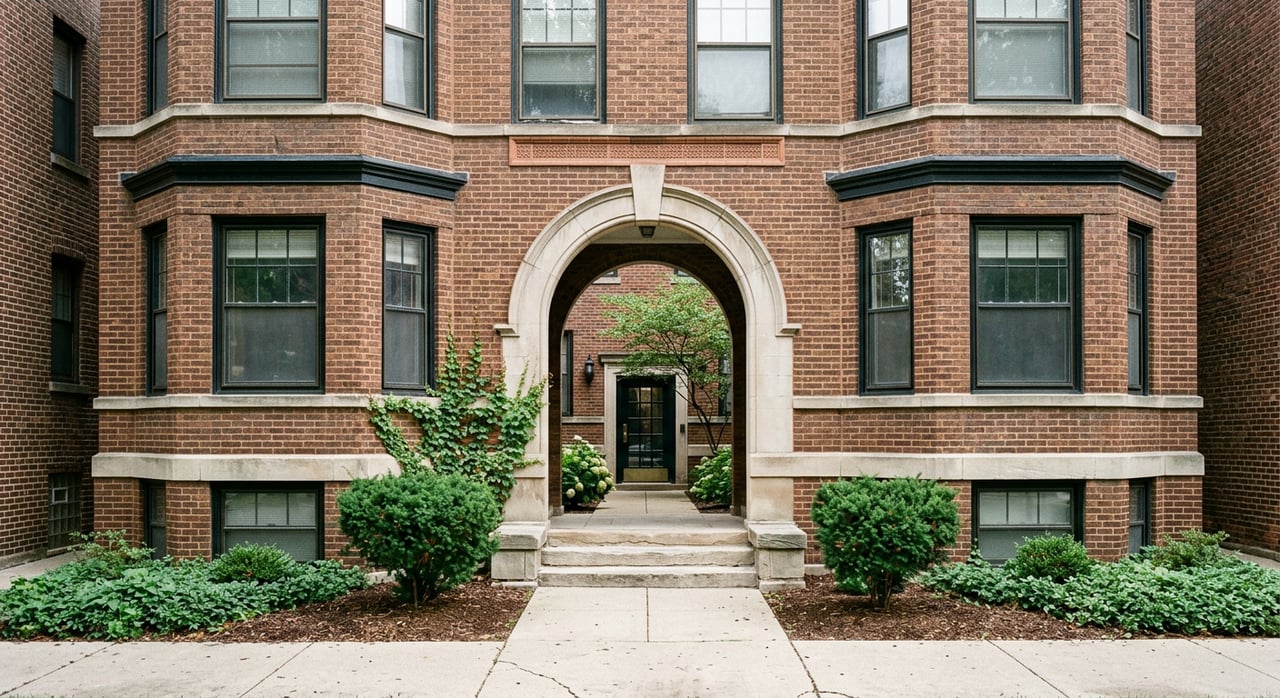
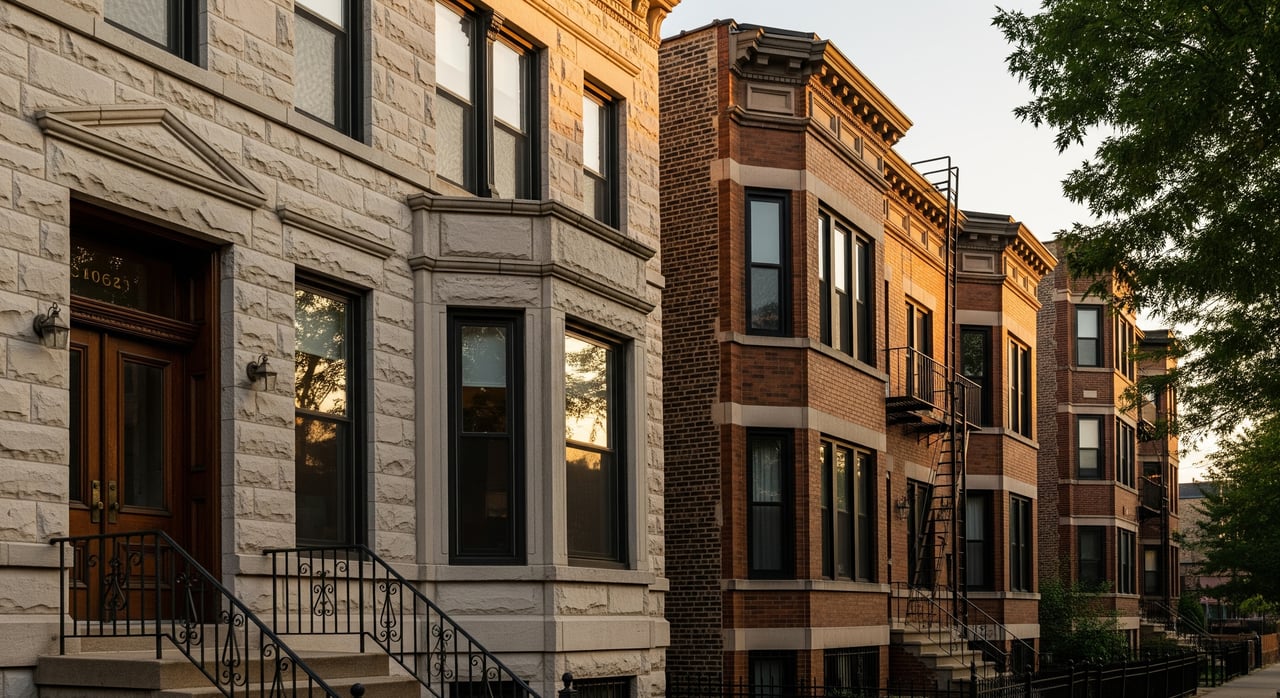
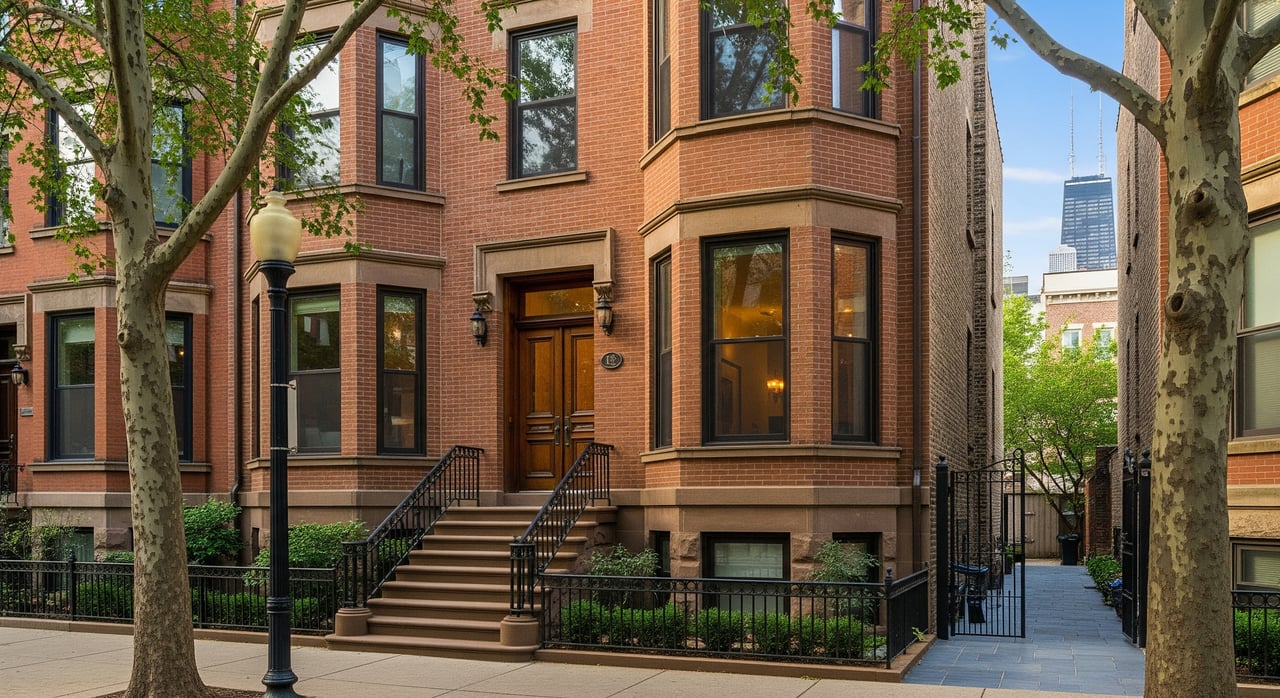
Old Town offers a mix of small multi-unit walk-ups, two-flats, and rowhomes alongside larger buildings. Renters are drawn to the walkable streets, restaurants, nightlife, and proximity to downtown. These factors often support stronger rental demand and faster lease-up than more suburban areas. If you want a live-work-play lifestyle with rental support, Old Town aligns well.
Owner-occupy a 2–4 unit building and rent the remaining units. This approach can reduce your mortgage burden while you build equity. It also gives you flexibility on how you operate, from long-term leases to adding value with unit upgrades.
Buy a two-flat, live in one home, and lease the other. Many buyers see this as a manageable first step into owning rentals. You get owner-occupied financing benefits and a simpler operations profile.
Move into one unit and renovate the other unit or common areas. You can improve future rents and long-term value this way. Just plan for permits, inspection timelines, and budget contingencies before you close.
Program rules change, so confirm details with your lender and the official handbooks.
FHA 1–4 unit mortgages are popular with first-time buyers for lower minimum down payments and flexible credit standards. You are expected to occupy one unit as your primary residence after purchase. Lenders often let you use a portion of projected rental income to qualify, subject to documentation and their calculations.
Conventional owner-occupied programs permit 2–4 unit purchases with higher down payment and credit requirements than FHA. Lenders may require more cash reserves by unit count. They can also count rental income from other units if you provide the right documentation.
If eligible, VA loans allow owner-occupied purchases up to four units and can offer favorable terms, including low or no down payment. You must comply with VA occupancy rules. Confirm current guidelines early in your planning.
FHA 203(k) and certain conventional renovation products can combine purchase and rehab in a single loan. Bridge or construction-to-perm loans are options when scope is larger. Build in extra time and cash buffers for change orders and cost overruns.
Local banks and credit unions may offer portfolio products with flexible underwriting for small multifamily. Investor or DSCR loans underwrite to rental income but treat the property as an investment, not owner-occupied housing. You lose owner-occupant benefits with those, so weigh tradeoffs.
Chicago’s zoning code controls what is allowed block by block. Many Old Town 2–4 unit buildings fall in residential multi-unit districts, but you should confirm your specific address. Verify zoning and permitted unit count before you write an offer.
Any material change to unit layout or use generally requires permits. Converting storage or an attic to living space, or changing a single unit to multiple units, can trigger inspections, fire separation requirements, and updated occupancy documentation. Budget time for approvals.
Chicago rental properties must be registered and comply with the Residential Landlord and Tenant Ordinance. RLTO sets rules on notices, deposits, and other tenant protections that affect how you operate. Plan for required licensing or inspection timelines with city departments.
Homes built before 1978 are subject to federal lead-paint disclosure rules. Smoke and carbon monoxide detectors and other safety devices are required in rentals and owner-occupied buildings with rented units. Build safety compliance into your inspection and move-in checklist.
Cook County and the City of Chicago levy property taxes and collect transfer taxes on sales. After you close, apply for the Cook County homeowner exemption if you qualify to help reduce your assessed value. Confirm deadlines and documentation with the county.
Document rent comps from similar bedroom counts and finishes. Account for seasonal turnover since winter is often slower for move-ins in Chicago. If a lender will count rental income to qualify you, ask early whether you need executed leases or an appraiser’s rent schedule.
Decide whether to self-manage or hire a property manager. Inner-city Chicago managers commonly charge a monthly percentage plus leasing fees. Clarify which utilities tenants pay versus what you will include in rent, since that changes both rent potential and expense load.
Many Old Town buildings are older, so inspect structure, roof, mechanicals, plumbing, and electrical. Set an annual capital reserve per unit that matches building age and scope of deferred work. A detailed inspection and, if needed, a specialist review can save costly surprises.
Homes near strong transit nodes, major bus routes, and walkable retail corridors often command better rents and lower vacancy. That appeal also supports future resale liquidity. Track transit access and walkability now so you can highlight it later with objective measures.
In hot markets, 2–4 unit properties that suit owner-occupants may draw multiple offers. In cooler markets, investors may become a larger share of buyers, which can affect pricing. Keep an eye on interest rates and local policies that influence affordability and investor appetite.
Keep clear records: leases, permits, inspection reports, and service logs for major systems. Maintain flexible floor plans and independent utilities where feasible to appeal to both owner-occupants and small investors. Accurate documentation reduces friction when you sell.
House hacking blends homeownership with small-business decision making. You need clear financing guidance, compliance with city rules, realistic underwriting, and an eye on resale. With decades of North Side experience across Lincoln Park, Old Town, Lake View, Andersonville, Edgewater, and Uptown, India brings renovation-aware strategy, vetted lender and attorney introductions, and hands-on coordination that keeps your purchase and first lease-up on track.
Ready to explore 2–4 unit options in Old Town and model the numbers with confidence? Connect with India Whiteside to review properties, financing paths, and a step-by-step plan for your house hack.
Stay up to date on the latest real estate trends.