Streeterville Condo Assessments, Clearly Explained for Buyers
January 1, 2026
January 1, 2026
Confused about what your Streeterville condo assessment actually pays for, or worried about surprise special assessments after you close? You are not alone. In high-rise neighborhoods like Streeterville, assessments vary widely and can change your true monthly cost more than you expect. In this guide, you will learn what assessments cover, how they are set, how to read association financials, and how to spot red flags before you make an offer. Let’s dive in.
Monthly assessments are the payments you make to your condominium association to fund shared costs and future repairs. In Streeterville’s high-rise buildings, these costs often include a large staffing component and complex building systems.
Typical assessment coverage:
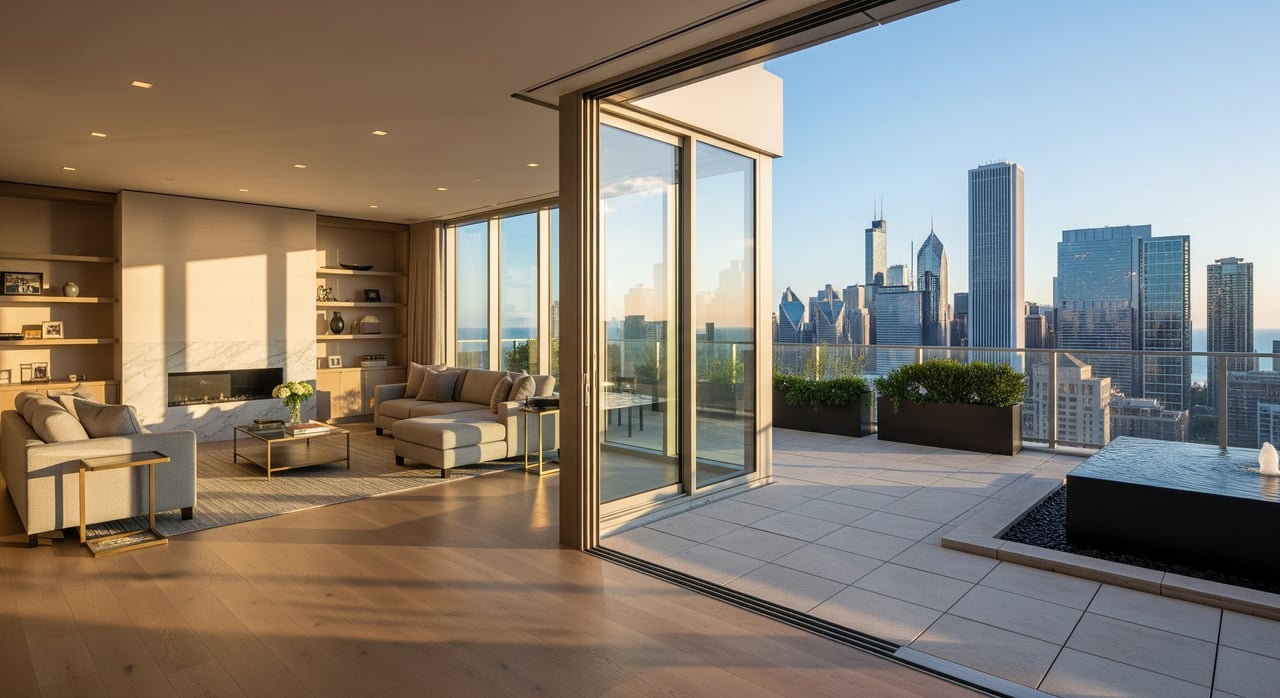
Streeterville context: Full-service towers with doormen, valet, pools, fitness centers, and concierge services have higher operating costs than low-rise buildings with minimal amenities. Elevators, structured parking, and upscale lobbies add ongoing expenses that assessments must support.
In Illinois, condominium associations operate under the Illinois Condominium Property Act and each building’s declaration, bylaws, and rules. These documents outline how assessments are calculated, how budgets are adopted, and when owner approval is needed.
Boards typically prepare an annual operating budget with management. They review historical costs, inflation, expected repairs, and reserve study guidance. The total of operating expenses plus planned reserve contributions determines the assessment amount needed to balance the budget.
Healthy reserve funding helps stabilize assessments. When reserves are low relative to upcoming projects, a building is more likely to rely on special assessments.
Special assessments are used for large or unexpected costs that exceed operating funds and reserves. These can include emergency repairs, major component replacements, or uninsured damage. Whether the board can approve a special assessment on its own or must seek owner approval depends on the governing documents. Payment can be a lump sum or spread over several months.
As a buyer, you should confirm any current or pending special assessments and understand how they will affect your monthly and closing costs.
Ask for core documents during due diligence. At minimum, request the current budget, recent financial statements, reserve study, meeting minutes, insurance summary, and an estoppel or payoff letter that shows assessment status and any pending levies.
Many Streeterville buildings are mid- to late-20th-century or newer high-rises with complex mechanical systems. The location’s lake-effect weather and freeze-thaw cycles increase façade and masonry wear, which can require periodic tuckpointing or exterior remediation.
Common capital projects in downtown high-rises include facade work, window replacement, elevator modernization, garage structural repairs and waterproofing, roof replacement, boiler or chiller upgrades, and plumbing riser work. These projects are expensive and are common triggers for special assessments when reserves are not sufficient.
Amenities also matter. Full-service staffing, valet, pools, fitness centers, and 24-7 security significantly raise operating budgets relative to buildings with fewer services.
Price alone does not tell the full story. Build a simple, repeatable calculation to compare buildings on equal terms.
Your monthly total should include:
A practical approach is to add a modest monthly buffer to your budget. This helps you absorb temporary assessment increases or a small special assessment without stress.
Request these documents:
Ask these questions:
Watch for red flags:
Parking is a meaningful cost in Streeterville. Spaces may be deeded, assigned, or leased. Some buildings include parking in assessments, while others charge separate fees. Confirm the setup for the unit you are buying, including any maintenance costs for the garage. Do the same for storage lockers or bike rooms, as fees and policies vary.
Most personal-use homeowners cannot deduct regular condo assessments on their taxes. If you are buying for rental use, HOA fees may be deductible as an expense. Special assessments can be treated differently depending on the situation. Plan to consult a tax advisor on your specific case.
Mortgage lenders apply condo project rules that can affect approval. Factors like owner-occupancy levels, delinquency rates, and litigation status matter. Buildings with healthy reserves and low delinquencies are often easier to finance and can lead to a smoother closing.
If you are serious about a Streeterville condo, involve a condo-savvy real estate attorney to review governing documents and the estoppel. Speak with a lender who works frequently with Chicago condos. For older or complex buildings, consider an engineer or inspector with high-rise experience to assess recurring issues that can impact future costs.
You do not have to piece this together on your own. With decades of Chicago experience, a consultative approach, and a trusted local network, India Whiteside can help you evaluate assessments, compare buildings, and plan your budget with confidence.
Ready to run the numbers and find the right fit? Connect with India Whiteside for a calm, data-informed condo consultation.
Stay up to date on the latest real estate trends.